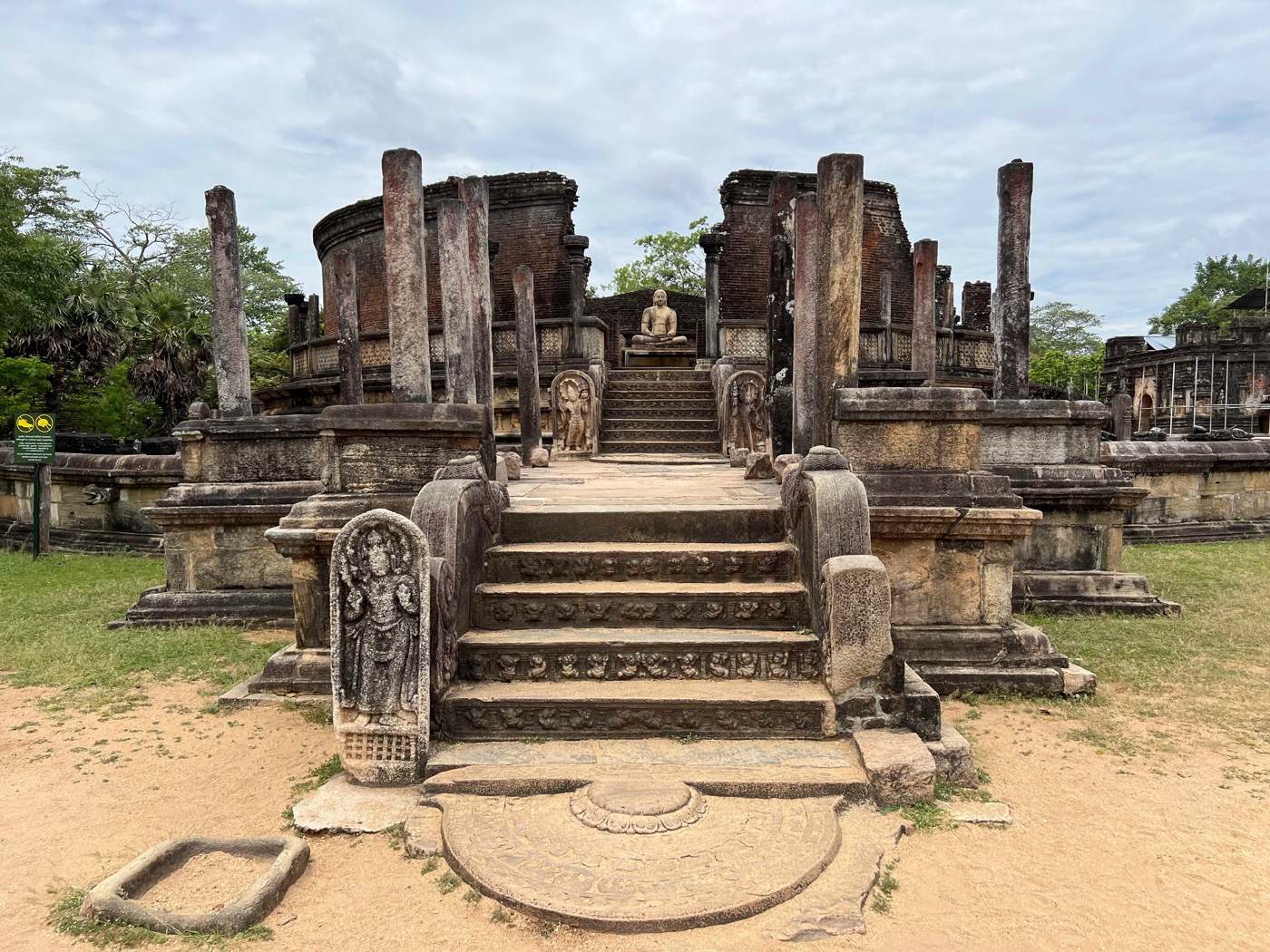
Polonnaruwa
"A Journey Through Sri Lanka’s Medieval Kingdom"
Experience Polonnaruwa
Why Visit Polonnaruwa?
Polonnaruwa is one of Sri Lanka’s most remarkable historical destinations, where magnificent stone sculptures, ancient palaces, sacred temples and vast reservoirs reveal the achievements of a powerful medieval kingdom.
Serving as Sri Lanka’s second major ancient capital after Anuradhapura, Polonnaruwa flourished particularly during the 11th to 13th centuries. Under rulers such as King Parakramabahu I, the city developed into an impressive centre of royal administration, Buddhist learning, architecture and irrigation engineering.
Recognised as a UNESCO World Heritage Site in 1982, Polonnaruwa is an essential destination for travellers interested in Sri Lanka’s ancient civilisation, heritage and culture.
Things to Do in Polonnaruwa
Explore the UNESCO-listed Ancient City of Polonnaruwa
Admire the famous Buddha statues at Gal Vihara
Visit the Polonnaruwa Vatadage
Discover the ruins of the Royal Palace of King Parakramabahu I
Explore the Quadrangle and its ancient religious structures
See the monumental Rankoth Vehera Stupa
Visit Lankatilaka Image House
Discover Kiri Vehera and the Alahana Pirivena monastic complex
Photograph the Lotus Pond
Learn about ancient irrigation at Parakrama Samudra
Visit the Archaeological Museum
Enjoy a countryside cycling tour
Combine heritage sightseeing with an elephant safari in the wider region
Explore the Ancient City of Polonnaruwa
The Ancient City of Polonnaruwa is the main attraction and the highlight of any visit to the region. Its archaeological remains reveal the scale of a once-thriving capital, with royal buildings, religious monuments, monasteries and sophisticated urban planning.
Unlike a single monument, the ancient city is spread across a large area. Travellers can move between the principal archaeological zones, discovering different aspects of medieval Sri Lankan architecture and religious life along the way.
Recommended time: Approximately 4–6 hours for the principal sites, depending on your pace and interests.
Travel tip: Start early in the morning to avoid the strongest heat. Bring water, wear comfortable footwear and plan your route before entering the archaeological area.
How Long Should You Spend in Polonnaruwa?
One night: Suitable for travellers who want to explore the main archaeological sites and continue to another Cultural Triangle destination.
Two nights: Recommended if you want to explore the ancient city at a relaxed pace and include Parakrama Samudra or a nearby wildlife experience.
Three nights: A good option for travellers with a strong interest in archaeology, cycling, photography and wildlife.
For most visitors, one full day is enough to see many of the principal monuments
Best Time to Visit Polonnaruwa
Polonnaruwa can be visited throughout the year, although hot weather and seasonal rainfall can affect outdoor sightseeing.
January–April: Often hot, with generally favourable opportunities for sightseeing during drier periods.
May–September: Can offer relatively drier conditions, but temperatures may be high.
October–November: Intermonsoon rainfall may bring showers and changeable weather.
December: Conditions vary, and occasional rain is possible.
Entrance Fees
The Ancient City of Polonnaruwa has a designated archaeological admission system, while other activities in the surrounding region may have separate charges.
Potential expenses include:
Ancient City archaeological admission
Archaeological Museum admission, where applicable
Bicycle hire
Local guide services
Minneriya or Kaudulla safari jeep hire
Where to Stay
Stay in Polonnaruwa or nearby Habarana, Sigiriya area.
How to Get to Polonnaruwa
Approximate private-car journey times:
Colombo → Polonnaruwa: 4.5–6 hours
Bandaranaike International Airport → Polonnaruwa: 4.5–6 hours
Negombo → Polonnaruwa: 4.5–5.5 hours
Sigiriya → Polonnaruwa: 1–1.5 hours
Dambulla → Polonnaruwa: 1.5–2 hours
Anuradhapura → Polonnaruwa: 2–2.5 hours
Kandy → Polonnaruwa: 3–4 hours
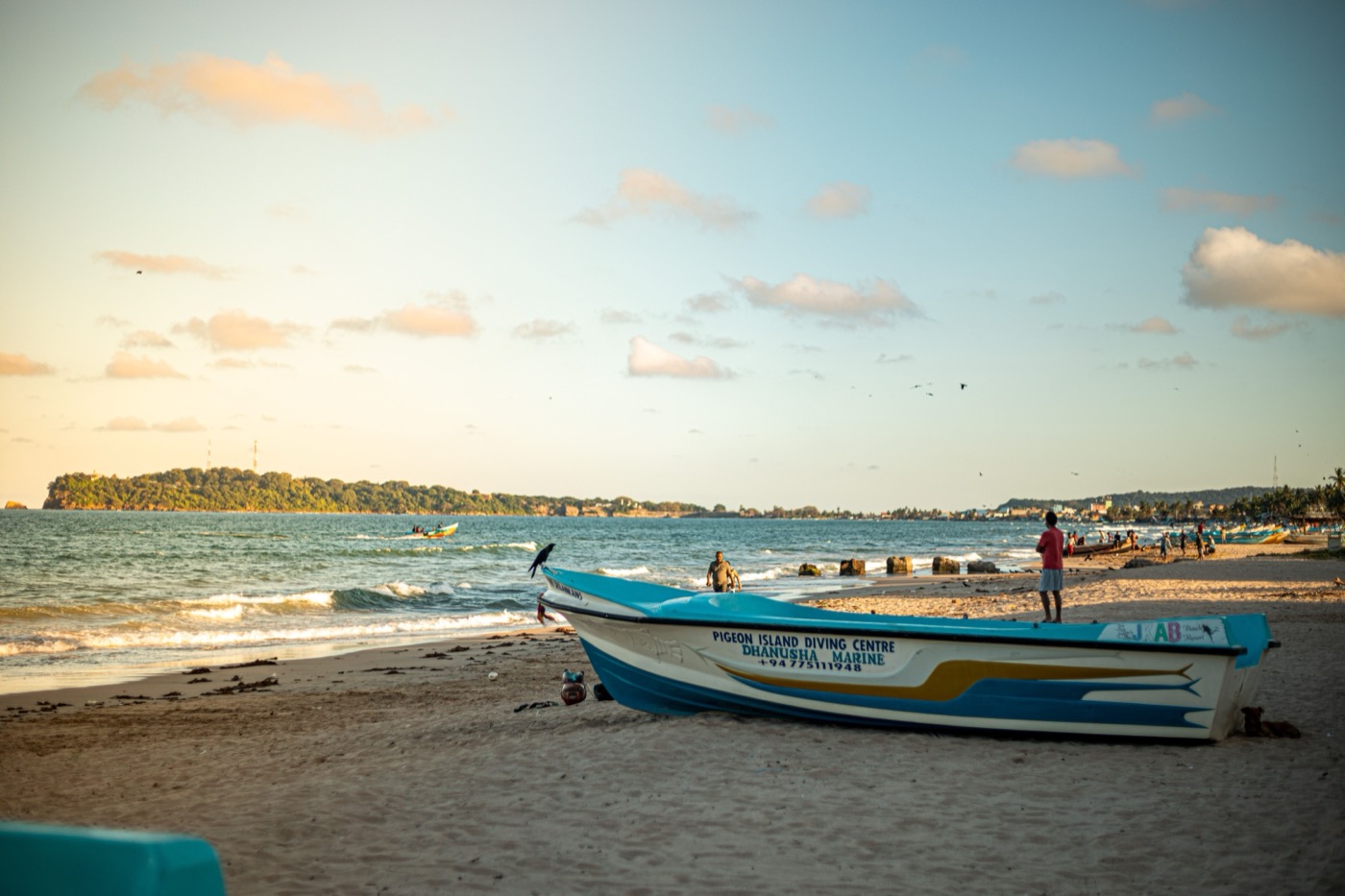
Trincomalee → Polonnaruwa: 2–2.5 hours
Frequently Asked Questions
Is Polonnaruwa worth visiting?
Yes. Polonnaruwa is one of Sri Lanka’s most important heritage destinations, with monumental stupas, ancient palaces, stone carvings and impressive examples of irrigation engineering.
How many hours do I need to explore Polonnaruwa?
Allow around 4–6 hours for the principal archaeological sites. History enthusiasts and photographers may prefer a longer visit.
Should I explore Polonnaruwa by bicycle?
Cycling is a good option for travellers who enjoy independent exploration and can manage the heat and distances. A private vehicle is more comfortable for families and visitors who prefer less physical activity.
Can I visit Polonnaruwa and Sigiriya on the same day?
You can travel between the two in the same day, but trying to explore both fully can be rushed. An overnight stay in the region is preferable if you want to enjoy the ancient city properly.
Can I combine Polonnaruwa with an elephant safari?
Yes. Minneriya and Kaudulla are possible wildlife excursions from the wider region. Choose the park based on current conditions and allow sufficient time for the safari.
Is Polonnaruwa suitable for families?
Yes. Families can explore the ancient city, but the heat, walking distances and cycling requirements should be considered when planning the day.
What is the difference between Anuradhapura and Polonnaruwa?
Both are ancient Sri Lankan capitals and UNESCO World Heritage Sites. Anuradhapura is especially associated with early Buddhist history and monumental stupas, while Polonnaruwa is known for its medieval royal complex, stone sculptures and well-preserved archaeological structures.
Unmatched Heritage
Rich Sri Lankan history and iconic landmarks.
Expert Chauffeurs
Guided by private Sri Lanka travel specialists.
Key Highlights
Tours Featuring Polonnaruwa
Explore handpicked, customizable Sri Lanka itineraries that take you to Polonnaruwa and surrounding landmarks.
Want a Custom Trip to Polonnaruwa?
Our local travel experts can design a personalized itinerary tailored to your travel style, pace, and preferred landmarks.