Best Places to Visit in
Sri Lanka
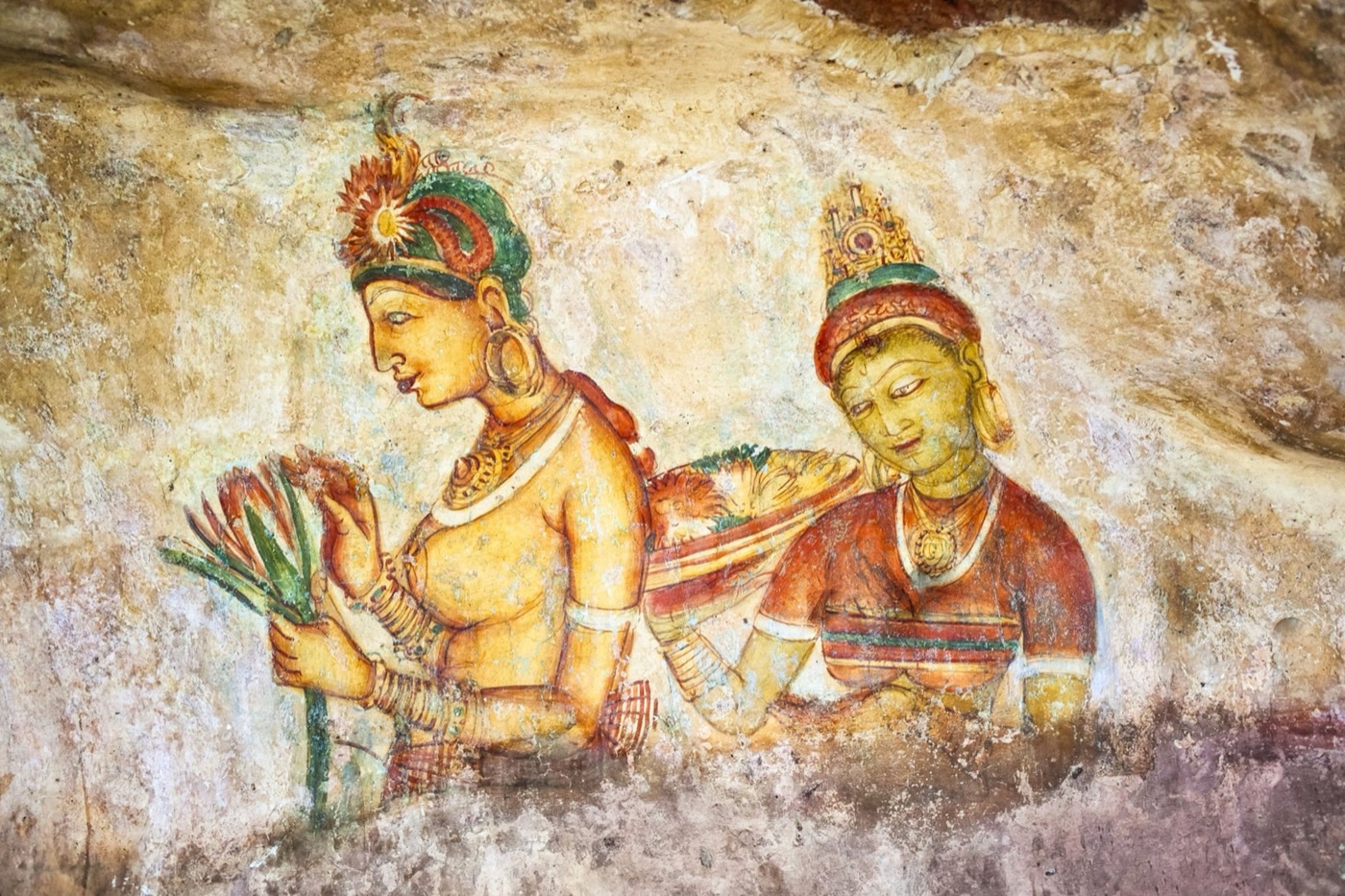
Sigiriya
Ancient Royalty Above the Jungle
Why Visit Sigiriya?Sigiriya is one of Sri Lanka’s most extraordinary destinations, famous for its towering rock fortress, remarkable ancient gardens, colourful frescoes, and fascinating royal history. Rising dramatically above the surrounding forests and plains, this UNESCO World Heritage Site is a highlight of the island’s Cultural Triangle.Built into the landscape during the reign of King Kashyapa I in the 5th century CE, Sigiriya combines royal architecture, sophisticated water engineering, artistic heritage, and natural beauty. Visitors can explore the landscaped gardens at the base of the rock, climb towards the famous Lion’s Paw gateway, admire the ancient frescoes, and discover the remains of the palace at the summit.Beyond the fortress itself, the surrounding region offers sunrise hikes at Pidurangala Rock, village experiences, wildlife safaris, and easy access to other important historical attractions.For first-time visitors to Sri Lanka, Sigiriya is an unforgettable journey into the island’s ancient past.Things to Do in SigiriyaClimb Sigiriya Rock FortressExplore the ancient water and landscaped gardensSee the Sigiriya frescoes and Mirror WallWalk through the Lion's Paw TerraceClimb Pidurangala Rock for panoramic viewsExplore surrounding villages and countrysideVisit nearby wildlife parksExperience a traditional village or cooking experienceSigiriya Rock FortressSigiriya’s most famous period is associated with King Kashyapa I, who ruled from 477 to 495 CE and established his royal capital at the site.The rock’s height and steep sides provided a naturally defensible setting, while the surrounding gardens and architectural features created a remarkable royal landscape.The complex combined defensive planning, water engineering, artistic decoration, and monumental architecture. Its surviving remains offer important evidence of ancient Sri Lankan urban design and craftsmanship.Following Kashyapa’s reign, Sigiriya gradually changed in purpose and was later associated with Buddhist monastic use. Today, it stands as one of the country’s most significant cultural heritage sites and a powerful symbol of Sri Lanka’s ancient civilisation.Allow around 2.5–4 hours for the full experience, depending on your pace and the weather.How Long Should You Spend in Sigiriya?1–2 days is ideal.One full day can cover Sigiriya Rock, Pidurangala and nearby attractions. Two nights allow a more relaxed experience with village activities, wildlife or Polonnaruwa.Sigiriya Rock FortressSigiriya was developed as a royal citadel on a massive rock during the 5th century. The climb takes you through landscaped gardens, ancient defensive features and the famous Lion's Paw before reaching the summit. At the top, the remains of the ancient palace complex are surrounded by sweeping views across the forests and plains.Allow around 2.5–4 hours for the full experience, depending on your pace and the weather.Best Time to Visit SigiriyaJanuary to April and June to September are generally good periods for exploring the Cultural Triangle. Start the rock climb early in the morning to avoid the strongest heatSigiriya Entrance FeeFor non-SAARC foreign visitors, the current CCF full ticket is ~ US$35 / LKR 11,725,half ticket listed at ~ US$20 / LKR 6,700. Fees are subject to change.Where to StayStay around Sigiriya, Habarana or Dambulla. Sigiriya is best for early access to the rock, while Habarana works well for combining Sigiriya with wildlife and Cultural Triangle excursions.How to Get to SigiriyaApproximate private-car journey times:Colombo → Sigiriya: 4–5 hoursNegombo → Sigiriya: 4–4.5 hoursKandy → Sigiriya: 2.5–3.5 hoursDambulla → Sigiriya: 30–40 minutesPolonnaruwa → Sigiriya: 1.5–2 hoursAnuradhapura → Sigiriya: 1.5–2 hoursFrequently Asked QuestionsIs Sigiriya worth visiting?Yes. It combines ancient history, architecture, gardens and exceptional views in one experience.How difficult is the Sigiriya climb?There are many steps and exposed sections. A reasonable level of fitness is helpful.How early should I climb Sigiriya?Early morning is usually more comfortable because temperatures rise quickly.Is Pidurangala better than Sigiriya?They offer different experiences. Sigiriya provides the heritage experience; Pidurangala provides one of the classic views toward Sigiriya.
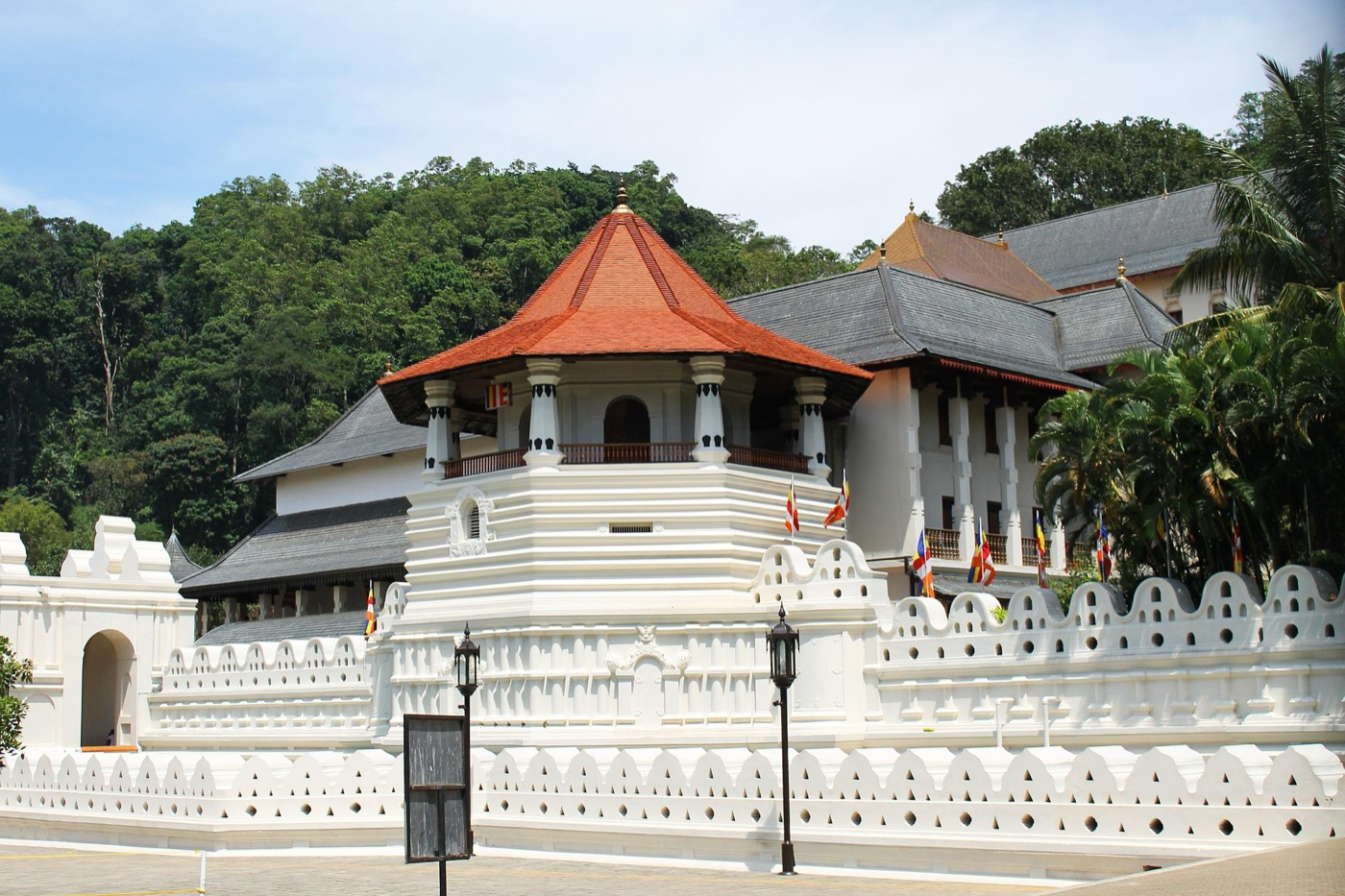
Kandy
The Cultural Heart of Sri Lanka
Why Visit Kandy?Discover Kandy, one of Sri Lanka’s most fascinating destinations, where centuries of royal history meet living Buddhist traditions, vibrant cultural performances and the natural beauty of the central highlands. Surrounded by green hills and centred around the picturesque Kandy Lake, this historic city offers travellers an unforgettable introduction to Sri Lankan culture.Once the last capital of the Sinhala kings, Kandy is home to the renowned Temple of the Sacred Tooth Relic and the spectacular annual Esala Perahera. Beyond its religious landmarks, visitors can explore botanical gardens, forest trails, traditional markets, tea experiences and the artistic heritage of the Kandyan kingdom.Whether you are planning a cultural holiday, a scenic hill-country journey or a private tour through Sri Lanka, Kandy deserves a place on your itinerary.Things to Do in KandyVisit the Temple of the Sacred Tooth RelicWalk around Kandy LakeWatch a traditional Kandyan dance performanceVisit a Kandy View PointExplore the Royal Botanical Gardens in PeradeniyaVisit Bahirawakanda TempleThree Temple LoopExplore the Udawattakele ForestVisit local markets and craft shopsExperience traditional Sri Lankan cuisineTemple of the Sacred Tooth RelicThe Temple of the Sacred Tooth Relic is one of Sri Lanka's most important Buddhist pilgrimage sites. Located within the historic royal complex, the temple continues to play an important role in Sri Lankan religious and cultural life.Visitors should dress respectfully, covering shoulders and knees.How Long Should You Spend in Kandy?1–2 nights is ideal.One full day covers the major highlights. Two nights allow time for Peradeniya, cultural experiences and a slower exploration of the city. With three nights, you can slow down and include more of the surrounding region. Consider adding a guided village experience, a visit to a tea estate, extra time in the gardens or the three-temple heritage route.Best Time to Visit KandyKandy can be visited throughout the year.December to April: Often a comfortable period for exploring the city, visiting temples and gardens, and continuing into the hill country.May to September: A useful period for cultural travel and combining Kandy with other parts of Sri Lanka, but expect variable weather and occasional showers. The Esala Perahera may fall within this period.October to November: Inter-monsoonal weather can bring heavier showers and thunderstorms. Keep your schedule flexible and allow extra time for road journeys.If attending the Esala Perahera is a priority, choose your travel dates according to the confirmed festival calendar rather than the general seasonal pattern.Kandy Entrance FeesKandy itself has no general destination entrance fee. Individual attractions such as the Temple of the Tooth (~ $9), Botanical Gardens (~$10) and museums have separate entrance charges.Where to StayStay around Kandy Lake, the city Center or on the surrounding hills. Hilltop hotels are particularly attractive for travelers seeking views and a quieter atmosphere.How to Get to KandyColombo → Kandy: 3–4 hoursNegombo → Kandy: 3.5–4 hoursSigiriya → Kandy: 2.5–3.5 hoursDambulla → Kandy: 2–2.5 hoursNuwara Eliya → Kandy: 2.5–3.5 hoursElla → Kandy: 4–5 hoursFrequently Asked QuestionsIs Kandy worth visiting?Yes, particularly for travelers interested in culture, religion and Sri Lankan history.How many days do I need in Kandy?One full day is enough for the highlights; two nights is more comfortable.Can I visit the Temple of the Tooth if I am not Buddhist?Visitors of different faiths can visit the temple, provided they follow its dress code and visitor rules and behave respectfully towards worshippers and religious activities.Is Kandy suitable for families?Yes. Families can explore the lake, gardens, cultural attractions and historic sites. Choose an itinerary with suitable walking distances and breaks, especially when travelling with young children or older visitors.Can I take the train from Kandy to Ella?Currently No. Train is available from Nanu-oya station (tickets subject to availability).
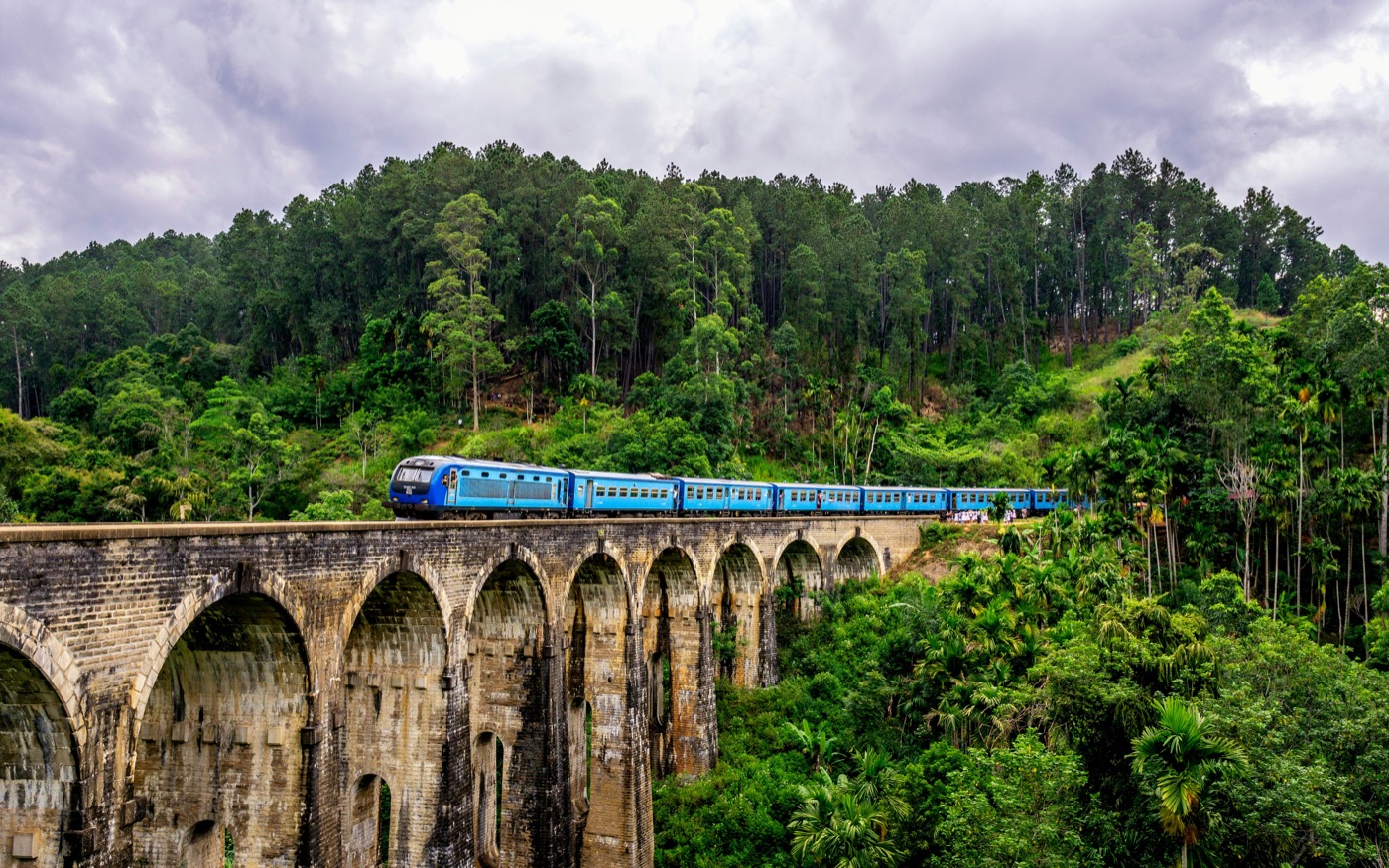
Ella
Misty Mountains, Tea & Endless Views
Why Visit Ella?One of Sri Lanka’s most captivating hill-country destinations, where emerald tea plantations, mist-covered mountains, cascading waterfalls and winding railway tracks create unforgettable scenery. Nestled in the Badulla District of Uva Province, this charming mountain town attracts nature lovers, hikers, couples and travellers seeking a relaxing escape from the busy cities.Ella is famous for the spectacular Nine Arch Bridge, the panoramic summit of Little Adam’s Peak, the challenging Ella Rock trail and the surrounding tea-growing countryside. Whether you arrive by train, explore the mountains on foot or enjoy a quiet morning overlooking Ella Gap, the destination offers a refreshing combination of adventure and relaxation.Things to Do in EllaHike Little Adam's PeakHike Ella RockVisit Nine Arch BridgeWalk through tea plantationsVisit Ravana FallsTake the scenic trainVisit a tea factoryExplore local cafés and viewpointsExperience village lifeNine Arch BridgeThe Nine Arch Bridge is one of Ella's most photographed landmarks. The stone railway viaduct is surrounded by dense vegetation and tea-country scenery.How Long Should You Spend in Ella?2–3 nights is ideal.Two nights covers the major attractions. Three nights gives you time for hiking, the train journey and a slower mountain experience.Best Time to Visit EllaElla can be visited throughout the year, but rainfall and cloud cover affect hiking conditions and mountain views.January to April: Often a favourable period for scenic walks and outdoor sightseeing, with many days offering good conditions. Rain remains possible.June to September: Can provide opportunities for hiking and exploring the hill country, although conditions vary and popular periods may be busy.October to November: Inter-monsoonal weather may bring heavy showers, thunderstorms and slippery trails. Keep your plans flexible.December: Conditions vary, but this month can be a pleasant time to combine Ella with a wider Sri Lankan holiday.Entrance FeesThere is no general entrance fee for Ella. Individual attractions, private viewpoints and activities may charge separate fees.Where to StayStay around Ella town for restaurants and convenience, or choose a hillside property outside town for views and a quieter atmosphere.How to Get to EllaApproximate private-car journey times:Kandy → Ella: 4–5 hours by roadNuwara Eliya → Ella: 2–3 hoursColombo → Ella: 5.5–7 hoursYala → Ella: 2.5–3 hoursGalle → Ella: 3.5–4.5 hoursFrequently Asked QuestionsHow many days are enough for Ella?Two nights are a good starting point for most travellers. Three nights allow more time for longer hikes, tea experiences and a relaxed pace.Is Ella good for couples?Yes. Its mountain scenery, boutique hotels and relaxed atmosphere make it popular with couples.Is Ella Suitable for families?Yes, although the best activities depend on the ages and fitness levels of the family members. Families can enjoy the scenery, town cafés and accessible viewpoints, while longer hikes may require more careful planning.Is Ella Rock difficult?Ella Rock is generally more demanding than Little Adam’s Peak. The hike can involve steep or uneven terrain, and navigation may be challenging. Is Ella suitable for older travelers?Yes, although some hikes are physically demanding. Easy scenic experiences can be arranged instead.
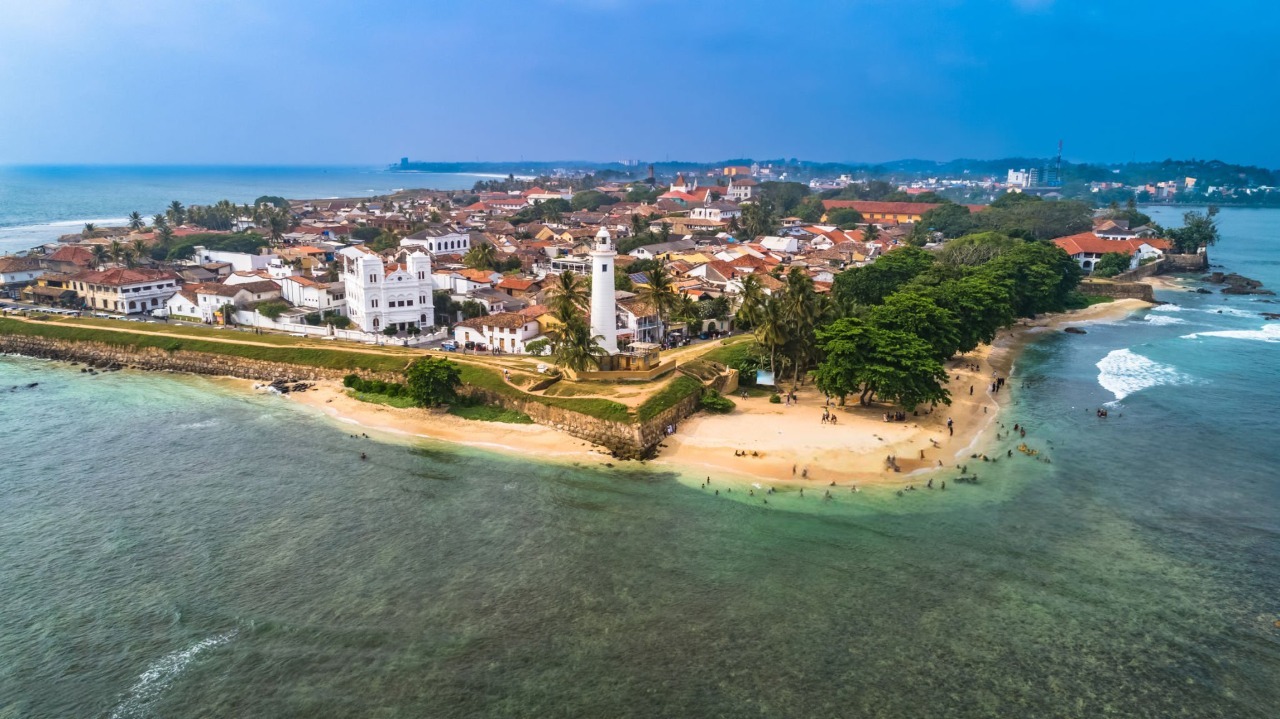
Galle
Where Colonial History Meets the Ocean
Why Visit Galle?Galle is one of Sri Lanka's most captivating coastal destinations, offering far more than its famous historic fort. Located along the island's southern coast, Galle combines colonial heritage, golden beaches, traditional fishing communities, tropical landscapes, marine experiences and a relaxed coastal lifestyle.Things to Do in GalleExplore the historic streets and ramparts of Galle FortVisit the iconic Galle LighthouseRelax on Unawatuna BeachDiscover the secluded cove at Jungle BeachVisit the Japanese Peace Pagoda on Rumassala HillEnjoy swimming and coastal scenery around Dalawella BeachTake a boat safari on Koggala LakeExplore the local fishing communities and fish marketsVisit the National Museum of Galle and the National Maritime MuseumEnjoy fresh seafood and traditional Sri Lankan cuisineGo surfing or snorkeling when sea conditions permitDiscover traditional crafts, boutique shops and art galleriesTake a coastal excursion towards Hikkaduwa or MirissaEnjoy sunset views along the southern coastlineGalle Fort: A Journey Through Colonial HistoryGalle Fort is the historic heart of the destination and one of the finest surviving examples of a fortified colonial town in South and Southeast Asia. The Portuguese established early fortifications in the late 16th century, and the Dutch later developed the extensive defensive walls and bastions that define the fort today.Now recognized as a UNESCO World Heritage Site, Galle Fort remains a living town where historic architecture, religious landmarks, boutique hotels, independent shops, cafés and local residences coexist.How Long Should You Spend in Galle?One to three days is ideal, depending on your interests.Half a day: Explore Galle Fort, visit the lighthouse and walk along the ramparts.One full day: Combine Galle Fort with Unawatuna Beach or the Japanese Peace Pagoda.Two days: Explore the Fort, spend time at the beaches and visit Koggala Lake.Three days: Enjoy a slower coastal stay with additional time for local food, marine activities, nearby beaches and cultural experiences.Best Time to Visit GalleGalle can be visited throughout the year, but weather and sea conditions influence which activities are most enjoyable.December to April: Generally a favorable period for visiting the south and southwest coast. These months are popular for beach holidays, coastal sightseeing and outdoor exploration.May to September: The southwest monsoon can bring heavier rain and rougher seas. Galle remains visitable, but beach and water activities may be affected.October to November: Inter-monsoon weather can bring showers and thunderstorms, sometimes with short periods of sunshine between them.Galle Entrance FeesThere is no general entrance fee to visit Galle city or walk through the public streets and ramparts of Galle Fort. However, certain attractions, museums and activities may charge separate fees.Where to StayChoose the Fort itself for heritage hotels and boutique accommodation, or Unawatuna/Galle for easier beach access.How to Get to GalleApproximate private-car journey times:Colombo → Galle: 2–2.5 hoursBentota → Galle: 1–1.5 hoursHikkaduwa → Galle: 30–45 minutesMirissa → Galle: 1–1.5 hoursElla → Galle: 3.5–4.5 hoursFrequently Asked QuestionsIs Galle worth visiting beyond Galle Fort?Yes. Galle offers beaches, scenic coastal viewpoints, nature experiences, local markets, cultural attractions and boat excursions. Galle Fort is a major highlight, but it is only one part of the wider destination.How many days should I spend in Galle?One full day is enough for the main highlights, while two or three days allow time for beaches, Koggala Lake and a more relaxed coastal experience.Can I visit Galle as a day trip from Colombo?Yes. Galle can be visited as a day trip from Colombo, although an overnight stay gives you more time to explore the wider area.Is Galle suitable for families?Yes. Families can enjoy the historic streets, cultural attractions, restaurants and selected beaches.Is Galle a good destination for couples?Yes. Galle combines heritage accommodation, sunset walks, coastal scenery, boutique dining and nearby beaches, making it a good choice for couples.
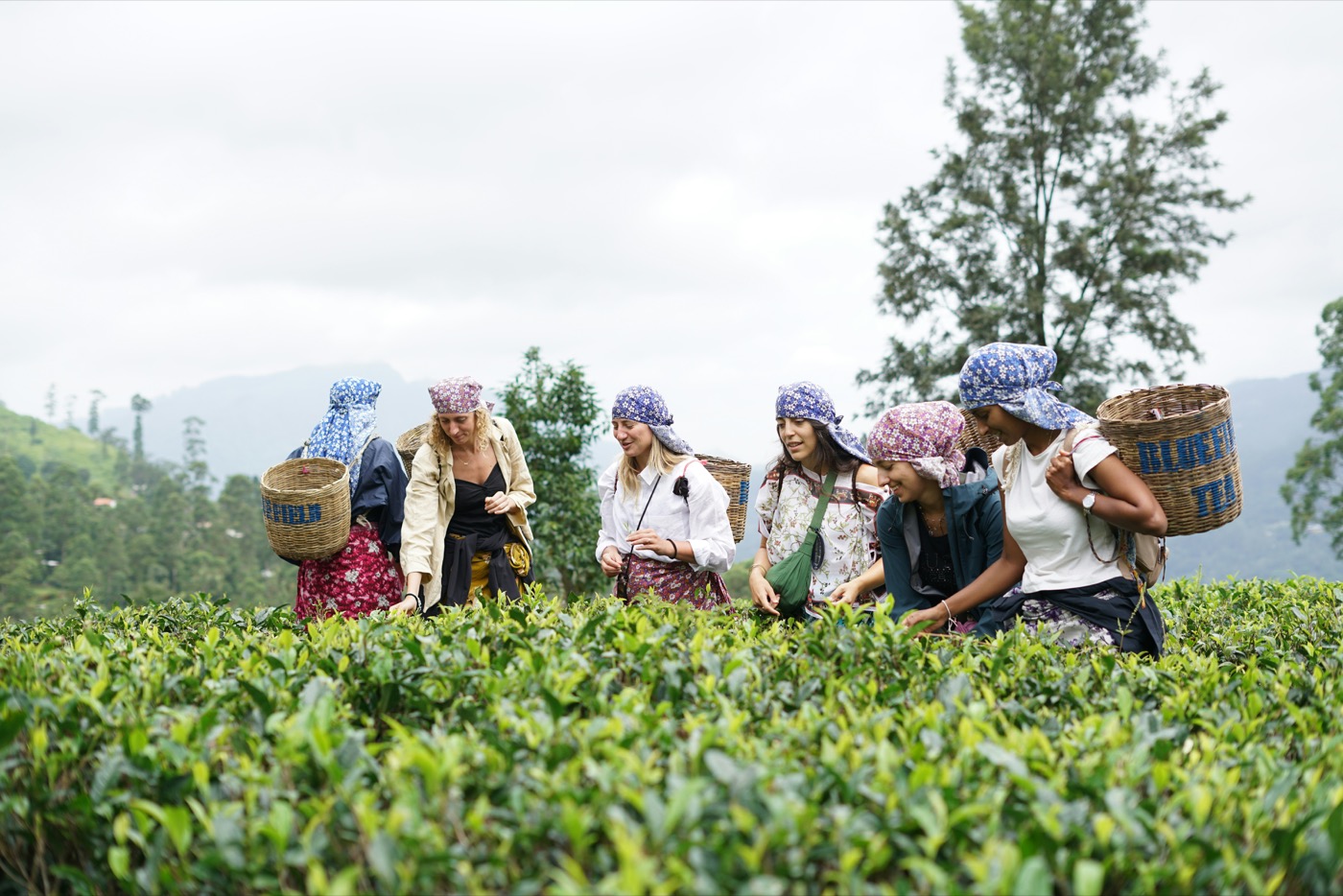
Nuwara Eliya
Tea Country in the Clouds
Why Visit Nuwara Eliya?Surrounded by rolling tea plantations, mist-covered mountains and cascading waterfalls, Nuwara Eliya offers a refreshing escape from Sri Lanka’s tropical lowlands. Known as “Little England,” this highland town is famous for its cool climate, colonial-era architecture, colorful gardens and the world-renowned Ceylon tea industry. Whether you are looking for a relaxing mountain retreat, a cultural experience or an outdoor adventure, Nuwara Eliya is one of the highlights of Sri Lanka’s hill country.Things to Do in Nuwara EliyaVisit a Ceylon tea plantation and tea factoryEnjoy a lakeside walk at Gregory LakeExplore Victoria Park in the town centerVisit Hakgala Botanical GardenDiscover the dramatic scenery of Horton Plains National ParkWalk to World’s End and Baker’s FallsStop at Ramboda Falls on a scenic driveVisit a strawberry farm when availableExplore the historic post office and colonial-era buildingsDiscover Lover’s Leap WaterfallEnjoy views of tea-covered hills and mountain villagesTake the scenic train journey through Sri Lanka’s hill countryExplore Nuwara Eliya’s Tea CountryTea is central to Nuwara Eliya’s identity. The surrounding highlands are covered with tea bushes that thrive in the cool climate and mountainous terrain.A visit to a tea estate offers the opportunity to learn how tea leaves are cultivated, harvested and processed into the Ceylon tea enjoyed around the world. Depending on the factory and its operating schedule, visitors may be able to observe parts of the manufacturing process and sample freshly prepared tea.The surrounding landscapes are equally rewarding. Winding roads pass through green plantations, small villages and mountain viewpoints, creating excellent opportunities for photography.How Long Should You Spend in Nuwara Eliya?One night works for travelers who want to visit a tea factory, explore the town and enjoy Gregory Lake.Two nights is recommended for a more comfortable experience, especially if you want to include Horton Plains, Hakgala Botanical Garden or additional countryside stops.If Horton Plains is a priority, plan the visit around an early start rather than trying to fit it into a late arrival day.Best Time to Visit Nuwara EliyaNuwara Eliya can be visited throughout the year, but the weather is cool and changeable.January–April: Often a good period for hill-country scenery and clearer mornings, although rain is still possible.May–September: Expect variable conditions, including rain and mist. Plan outdoor activities flexibly.October–November: Inter-monsoon weather can bring frequent showers.December: Cool weather makes warm clothing useful, especially in the evening and early morning.For Horton Plains, an early start is important regardless of the season.Nuwara Eliya Entrance FeesThere is no general entrance fee to visit Nuwara Eliya town. Individual attractions may charge separate admission or activity fees.Potential expenses include:Horton Plains National Park entrance and applicable service chargesHakgala Botanical Garden admissionVictoria Park admission, where applicableTea factory tours and tastingsGregory Lake activitiesStrawberry farm experiencesWhere to Stay in Nuwara EliyaTown center: Convenient for restaurants, shops, Victoria Park and historic landmarks.Gregory Lake area: A good choice for lake views, leisurely walks and accommodation close to recreational activities.Tea estate and countryside stays: Ideal for travelers seeking a quieter atmosphere, plantation scenery and a relaxing highland retreat.Choose accommodation based on your itinerary and preferred experience, as travel between scattered attractions can take longer than the distances suggest.How to Get to Nuwara EliyaApproximate private-car journey times:Colombo → Nuwara Eliya: 5–6 hoursAirport → Nuwara Eliya: 5–6.5 hoursNegombo → Nuwara Eliya: 5–6 hoursKandy → Nuwara Eliya: 2.5–3.5 hoursElla → Nuwara Eliya: 2–3 hoursSigiriya → Nuwara Eliya: 4.5–5.5 hoursYala → Nuwara Eliya: 4–5 hoursActual journey times depend on road conditions, traffic, weather and sightseeing stops.Taking the TrainNanu Oya is the nearest railway station to Nuwara Eliya. Travelers can take a scenic train through the hill country and continue to the town by road from the station.Train schedules, ticket availability and journey times should be checked before travel. If the train experience is an important part of your itinerary, plan the surrounding transport in advance.What to PackA warm jacket or fleece for cool mornings and eveningsA light rain jacket or waterproof layerComfortable walking shoesResponsible TravelFollow the rules at Horton Plains and other protected areas.Do not leave rubbish along hiking trails or beside waterfalls.Respect tea workers and ask permission before taking close-up photographs.Follow local instructions at tea factories and farms.Support local businesses and choose responsible nature experiences.Frequently Asked QuestionsWhy is Nuwara Eliya called Little England?The nickname reflects the town’s cool climate and colonial-era buildings and traditions. Today, Nuwara Eliya is a distinctly Sri Lankan town with its own local culture and way of life.Is Nuwara Eliya worth visiting?Yes. It offers a different experience from Sri Lanka’s beaches and dry-zone heritage sites, with tea plantations, mountain scenery, gardens and cool weather.Can I visit Horton Plains and Nuwara Eliya town on the same day?Yes, with an early start and careful planning. Visit Horton Plains in the morning, then explore selected town attractions later in the day. Avoid trying to fit too many distant attractions into the schedule.Is Nuwara Eliya cold?It is considerably cooler than Sri Lanka’s lowlands, particularly at night and early in the morning. Bring warm clothing.Can I pick strawberries in Nuwara Eliya?Some farms offer seasonal visitor experiences, but picking availability varies. Confirm with your tour planner/ farm before making plans.
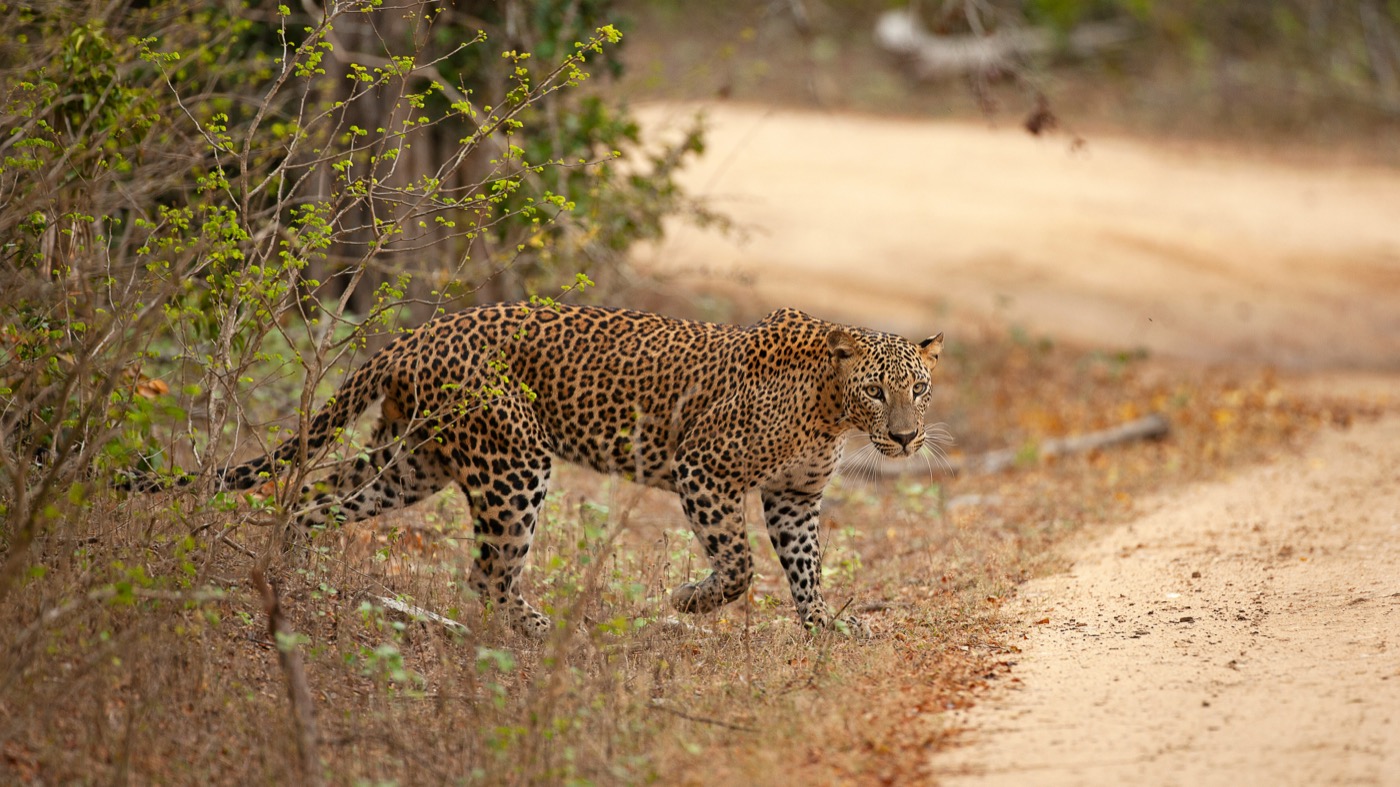
Yala
Into the Wild Heart of Sri Lanka
Why Visit Yala?Yala is one of Sri Lanka’s most celebrated wildlife destinations, offering an unforgettable opportunity to explore the island’s wild landscapes. Located in the southeast, Yala National Park is known for its Sri Lankan leopards, Asian elephants, sloth bears, crocodiles and remarkable birdlife.The park’s landscape is just as captivating as its wildlife. Dry forests, open grasslands, rocky outcrops, freshwater pools and coastal lagoons create a diverse natural environment.Beyond the safari experience, the surrounding region offers cultural attractions, peaceful countryside and access to Kataragama, an important religious pilgrimage town.For nature lovers, photographers and adventurous travelers, Yala is a highlight of a southern Sri Lanka journey.Things to Do in YalaTake an early-morning wildlife safariExplore the park’s diverse habitats by 4WD safari jeepLook for Sri Lankan leopardsObserve Asian elephants in their natural environmentSearch for sloth bears, deer and crocodilesPhotograph peacocks, eagles and other birdsExplore lagoons, waterholes and rocky landscapesVisit Kataragama’s religious sitesDiscover the historic Tissamaharama areaEnjoy a peaceful stay at a safari lodge or nature retreatYala National Park SafariA safari is the main reason most travelers visit Yala. Accompanied by a safari driver, visitors travel through designated park routes to observe wildlife in its natural habitat.Yala is particularly famous for its leopard population, but the experience extends well beyond spotting one animal. Elephants, spotted deer, water buffalo, crocodiles, monkeys and many bird species may be seen depending on conditions and location.Morning SafariAn early-morning safari is an excellent choice for cooler conditions and the opportunity to observe wildlife as the day begins. It is particularly suitable for photographers and travelers hoping to explore the park before the midday heat.Afternoon SafariAn afternoon safari offers a different atmosphere, with changing light across the grasslands and lagoons. It can be a good alternative for travelers arriving in the region later in the day.Full-Day or Multiple SafarisTravelers with a strong interest in wildlife photography may prefer longer or multiple safari experiences. More time in the park provides additional opportunities to observe different habitats, although sightings are never guaranteed.Responsible safari tip: Choose an operator who follows park regulations, maintains a respectful distance from animals and avoids crowding wildlife sightings. Never ask a driver to chase an animal or leave designated routes.How Long Should You Spend in Yala?One night is suitable for travelers planning one safari and continuing their journey the following day.Two nights is recommended for a more relaxed experience, particularly if you want to combine a safari with Kataragama, Tissamaharama or another nearby attraction.If wildlife photography is a priority, consider allowing time for more than one safari. Remember that extra safari time improves your opportunities to observe wildlife but cannot guarantee a leopard sighting.Best Time to Visit YalaYala can be visited during much of the year, but wildlife-viewing conditions vary with rainfall, vegetation and water availability.February–April: Often a favorable period for safari conditions, with relatively dry weather and opportunities to observe wildlife around water sources.May–July: The landscape can become drier, and wildlife may gather around remaining water sources. Hot conditions are common.August: Conditions can remain dry, but check local weather and park access before travelling.September–October: Seasonal closures or restrictions may affect particular park blocks. Confirm the latest official announcements.November–January: Rainfall can increase, creating greener scenery while potentially making wildlife more difficult to spot in dense vegetation.Yala’s conditions vary from year to year. Confirm current park access and safari arrangements before finalising your itinerary.Yala Entrance Fees & Safari CostsYala’s entry fees are determined by the relevant wildlife authorities. The final amount can vary according to visitor category, group size, applicable taxes and service charges.When budgeting for a safari, check whether the quoted price includes:National park entry ticketsSafari jeep hireDriver or tracker charges, where applicableGovernment taxes and service feesHotel transfersA morning, afternoon or full-day safariWhere to Stay Near YalaThissamaharama- A practical option for travellers seeking a range of guesthouses, hotels, restaurants and convenient access to the park.Near the park entrance- Safari lodges and tented camps closer to the entrance can reduce early-morning transfer time. These are particularly attractive for travellers seeking a nature-focused stay.Luxury safari lodges- For a more premium experience, consider a safari lodge or tented camp offering comfortable accommodation, dining and nature-focused activities.How to Get to YalaApproximate private-car journey times:Colombo → Yala area: 5–6 hoursAirport → Yala area: 5.5–7 hoursGalle → Yala area: 3–4 hoursMirissa → Yala area: 2–2.5 hoursElla → Yala area: 2.5–3.5 hoursNuwara Eliya → Yala area: 4–5 hoursYala National Park is explored using authorized safari vehicles; visitors should not plan to walk independently through the park. A private car with a chauffeur is convenient for travelling between destinations and reaching your accommodation. What to Pack for a Yala SafariLightweight, breathable clothingNeutral-coloured clothes for comfort and photographyA hat and sunscreenInsect repellentBinocularsResponsible Wildlife TourismYala is a protected natural environment, and responsible visitor behaviour helps protect its wildlife.Never feed wild animals.Keep a respectful distance from wildlife.Do not litter or leave food waste behind.Follow the park’s rules and the instructions of authorised staff.Choose safari operators who prioritise animal welfare and conservation.Be patient: observing wildlife responsibly is more important than obtaining a photograph.Frequently Asked QuestionsIs Yala worth visiting?Yes. Yala offers one of Sri Lanka’s best-known safari experiences, with diverse wildlife and landscapes. It is especially rewarding for nature lovers and photographers.Can I definitely see a leopard in Yala?No. Yala is famous for leopards, but they are wild animals and sightings cannot be guaranteed.Should I stay in Yala or Tissamaharama?Both are practical options. Tissamaharama offers convenient services and accommodation choices, while a lodge closer to the park may provide a more immersive nature experience.Can I visit Yala and Ella on the same day?It is possible to travel between the regions, but a full safari followed by a long drive can be tiring. An overnight stay near Yala is generally more comfortable.Can children join a Yala safari?Many safari operators accommodate families, but age suitability, vehicle arrangements and safari duration should be confirmed when booking.Is Yala open throughout the year?Access can vary because of seasonal closures, conservation measures and other park management decisions. Confirm which blocks are open for your travel dates.
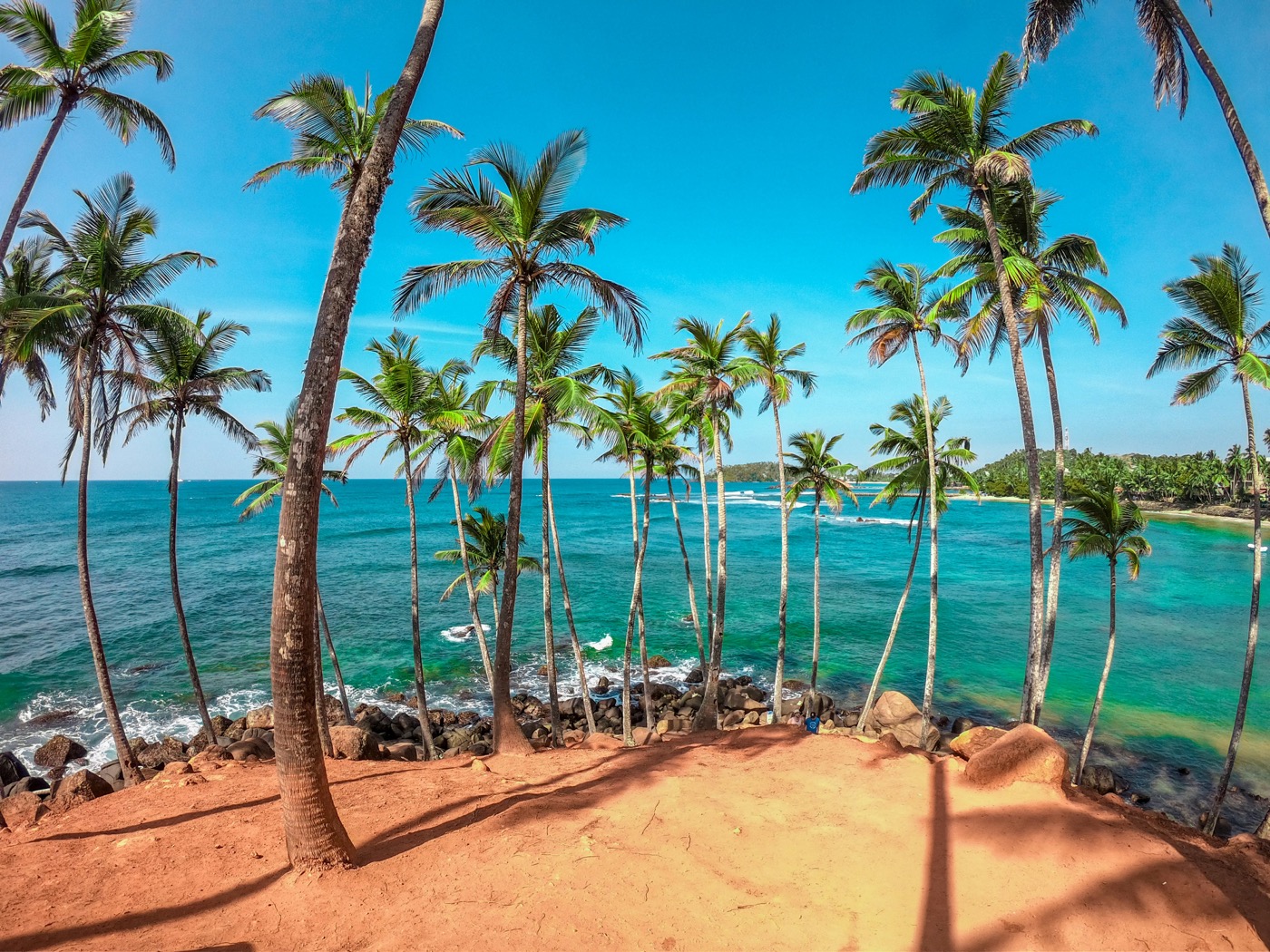
Mirissa
Tropical Beaches & Ocean Adventures
Why Visit Mirissa?Mirissa is one of Sri Lanka’s most inviting southern coastal destinations, known for its palm-fringed beaches, turquoise waters, laid-back atmosphere and unforgettable ocean experiences. Whether you want to relax beside the sea, watch blue whales in the wild or discover beautiful coastal viewpoints, Mirissa offers a wonderful combination of relaxation and adventure.The town is particularly famous for whale and dolphin watching during the main season, when visitors head out from the fishing harbor into the Indian Ocean. On land, you can enjoy beachside restaurants, fresh seafood, sunset views and nearby attractions such as Weligama and Galle.For couples, families, solo travelers and beach lovers, Mirissa is an excellent stop on a southern Sri Lanka itinerary.Things to Do in MirissaJoin a whale and dolphin-watching excursionRelax on Mirissa BeachVisit the famous Coconut Tree Hill viewpointExplore Parrot Rock when access and sea conditions permitDiscover the quieter Secret Beach areaEnjoy a sunset walk along the shorelineSample fresh seafood and Sri Lankan cuisineTake a surfing lesson in nearby WeligamaExplore the historic streets of Galle Fort on a day tripVisit nearby coastal towns and fishing communitiesEnjoy snorkeling or other marine activities when conditions are suitableMirissa BeachMirissa Beach is the heart of the destination. Its curved shoreline, swaying coconut palms and relaxed beach atmosphere make it a favourite for travellers seeking a tropical escape.Spend the day swimming when conditions are suitable, relaxing under the palms, enjoying a beachside meal or watching fishing boats move across the horizon. The beach is also popular in the evening, when restaurants and cafés provide a relaxed setting for dinner beside the ocean.Best Time to Visit MirissaMirissa is a year-round destination, but the experience varies with the monsoon seasons.November–April: Generally the more favourable period for beach visits and whale watching, with calmer conditions often occurring during the main season.December–March: A popular period for coastal holidays and whale-watching excursions.May–September: The southwest monsoon can bring rougher seas and less favourable swimming conditions. Some activities may be affected.October–November: Weather can be changeable, with showers and variable sea conditions.Even during the drier months, ocean conditions can change unexpectedly. Check local forecasts and safety guidance before swimming or taking a boat trip.Entrance Fees Mirissa Beach and many of the area's natural viewpoints do not have a standard general admission ticket, although particular access points, facilities or privately operated activities may have separate charges.Potential expenses include:Whale and dolphin-watching excursionsSurfing lessons and board hireSnorkeling or other marine activitiesTuk-tuk transfersBoat trips and organized excursionsFood, drinks and beach facilitiesWhere to Stay in MirissaStay near Mirissa Beach for convenience, or choose quieter accommodation slightly outside the center.How to Get to MirissaApproximate private-car journey times:Colombo → Mirissa: 2.5–3 hoursAirport → Mirissa: 2.5–3 hoursGalle → Mirissa: 45–60 minutesUnawatuna → Mirissa: 45–60 minutesWeligama → Mirissa: 10–20 minutesElla → Mirissa: 3–4 hoursYala area → Mirissa: 2–3 hoursFrequently Asked QuestionsIs Mirissa worth visiting?Yes. Mirissa combines tropical beach scenery, whale watching, coastal dining and easy access to other southern destinations.How many days should I spend in Mirissa?Two nights is a good starting point for most travelers. It allows time for a morning whale-watching trip and a relaxed beach day.Can I see blue whales in Mirissa?Blue whales are among the species sought on whale-watching excursions, but sightings are not guaranteed. Choose a responsible operator and avoid promises of guaranteed sightings.Is Mirissa good for swimming?It can be suitable when the sea is calm, particularly during the more favorable beach season. Conditions vary, and swimming may be dangerous during rough weather or strong currents.Can I visit Galle from Mirissa?Yes. Galle is close enough for a day trip, allowing visitors to explore Galle Fort, historic streets, shops and cafés before returning to Mirissa.Is Mirissa suitable for families?Yes, but families should select suitable accommodation and activities, check swimming conditions and confirm age requirements for boat excursions.Is Mirissa expensive?Costs vary widely. Budget guesthouses and local restaurants offer affordable choices, while boutique hotels, luxury stays and private excursions can cost considerably more.Can I combine Mirissa with Yala National Park?Yes. Mirissa and Yala are commonly combined in a southern Sri Lanka itinerary. Plan the driving time and safari schedule carefully, especially if an early-morning departure is required.
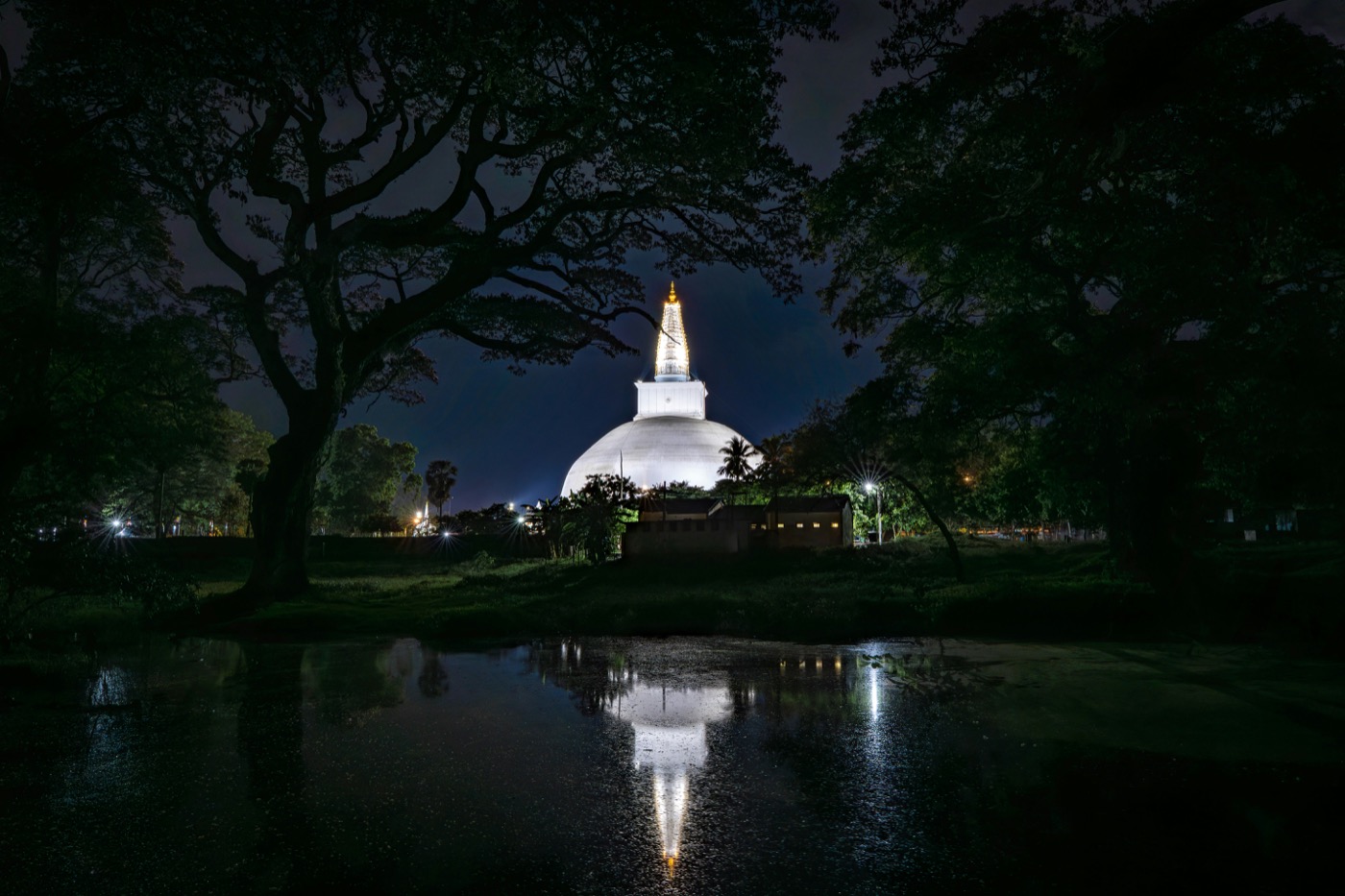
Anuradhapura
The Ancient Kingdom of Sri Lanka
Why Visit Anuradhapura?Anuradhapura is one of Sri Lanka’s most important historical and spiritual destinations, offering a remarkable journey into the island’s ancient civilisation. Once a flourishing royal capital, the city is renowned for its enormous stupas, sacred Buddhist monuments, ancient reservoirs and extraordinary examples of early engineering.For more than a thousand years, Anuradhapura served as a major political and religious centre. Today, its ruins and sacred sites preserve the legacy of ancient kings, Buddhist traditions and a sophisticated hydraulic civilisation.The city is also an active pilgrimage destination. Worshippers visit the sacred Sri Maha Bodhi tree and magnificent stupas throughout the year, creating a unique atmosphere where living religious traditions exist alongside archaeological heritage.Recognized as a UNESCO World Heritage Site in 1982, the Sacred City of Anuradhapura is a must-visit destination for travelers interested in Sri Lankan history, culture, Buddhism and archaeology.Things to DoVisit Sri Maha BodhiSee RuwanwelisayaExplore AbhayagiriVisit JetavanaramayaExplore ancient monasteriesSee ancient reservoirsVisit Samadhi StatueExplore the archaeological museumThe Sacred City of AnuradhapuraThe Sacred City is the heart of the destination. Its extensive archaeological landscape contains ancient monasteries, religious monuments, reservoirs and remains of a sophisticated urban civilisation.Rather than exploring only one attraction, visitors should allow time to experience several sites and understand how Anuradhapura developed as both a royal capital and a centre of Buddhist learning.The monuments are spread across a large area, so comfortable transport is helpful. A knowledgeable guide can explain the historical context, architectural features and religious significance that might otherwise be overlooked.Recommended time: Half a day to a full day, depending on your interests and the number of sites you wish to visit.How Long Should You Spend?One night: Suitable for travellers who want to visit the main sacred sites and continue to another Cultural Triangle destination.Two nights: Recommended for a more comfortable visit, allowing time for the ancient city, Mihintale and additional archaeological attractions.Three nights: Ideal for travellers with a strong interest in history, archaeology, religious heritage or a combination of cultural sightseeing and wildlife.If you plan to explore the archaeological area in depth, allow more time than you would for a short stop at one or two monuments.Best Time to VisitAnuradhapura is accessible throughout the year, but daytime heat and seasonal rainfall can affect sightseeing.January–April: Often hot, with generally favourable opportunities for sightseeing when rainfall is limited.May–September: Can offer relatively drier conditions, although temperatures may be high.October–November: Intermonsoon rainfall can bring showers and changeable weather.December: Conditions vary, with occasional rain and comfortable periods for early-morning exploration.Entrance FeeAnuradhapura contains both archaeological attractions and active sacred sites, and their entry arrangements are not necessarily the same. The Central Cultural Fund manages tickets for designated archaeological heritage sites and museums. Where to StayStay in Anuradhapura town or near the heritage area.How to Get to AnuradhapuraApproximate private-car journey times:Colombo → Anuradhapura: 4–5 hoursBandaranaike International Airport → Anuradhapura: 4–5.5 hoursNegombo → Anuradhapura: 4–5 hoursDambulla → Anuradhapura: 1.5–2 hoursSigiriya → Anuradhapura: 1.5–2 hoursPolonnaruwa → Anuradhapura: 2–2.5 hoursTrincomalee → Anuradhapura: 2–2.5 hoursResponsible Cultural TravelRespect worshippers and ongoing religious ceremonies.Dress modestly at temples and sacred sites.Follow photography restrictions and ask permission when appropriate.Do not climb on, touch or damage ancient monuments.Never remove archaeological objects or artefacts.Be considerate when photographing monks, devotees and local residents.Frequently Asked QuestionsIs Anuradhapura worth visiting?Yes. It is one of Sri Lanka’s most important destinations for ancient history, Buddhist heritage and archaeology. The combination of monumental stupas, sacred sites and ancient irrigation works makes it especially rewarding for culturally curious travellers.Is Anuradhapura a UNESCO World Heritage Site?Yes. The Sacred City of Anuradhapura was inscribed on the UNESCO World Heritage List in 1982.Can I visit Anuradhapura and Mihintale on the same day?Yes, with an early start and a well-planned itinerary. However, visitors who want to explore many monuments should allow more time.Is Anuradhapura suitable for families?Yes. Families can explore the ancient city together, although the distances between sites, daytime heat and steps at certain attractions should be considered.Can I combine Anuradhapura with Sigiriya and Polonnaruwa?Yes. Anuradhapura fits well into a Cultural Triangle itinerary with Sigiriya, Dambulla and Polonnaruwa. Allow enough time for driving and sightseeing rather than treating all three ancient cities as short stops.
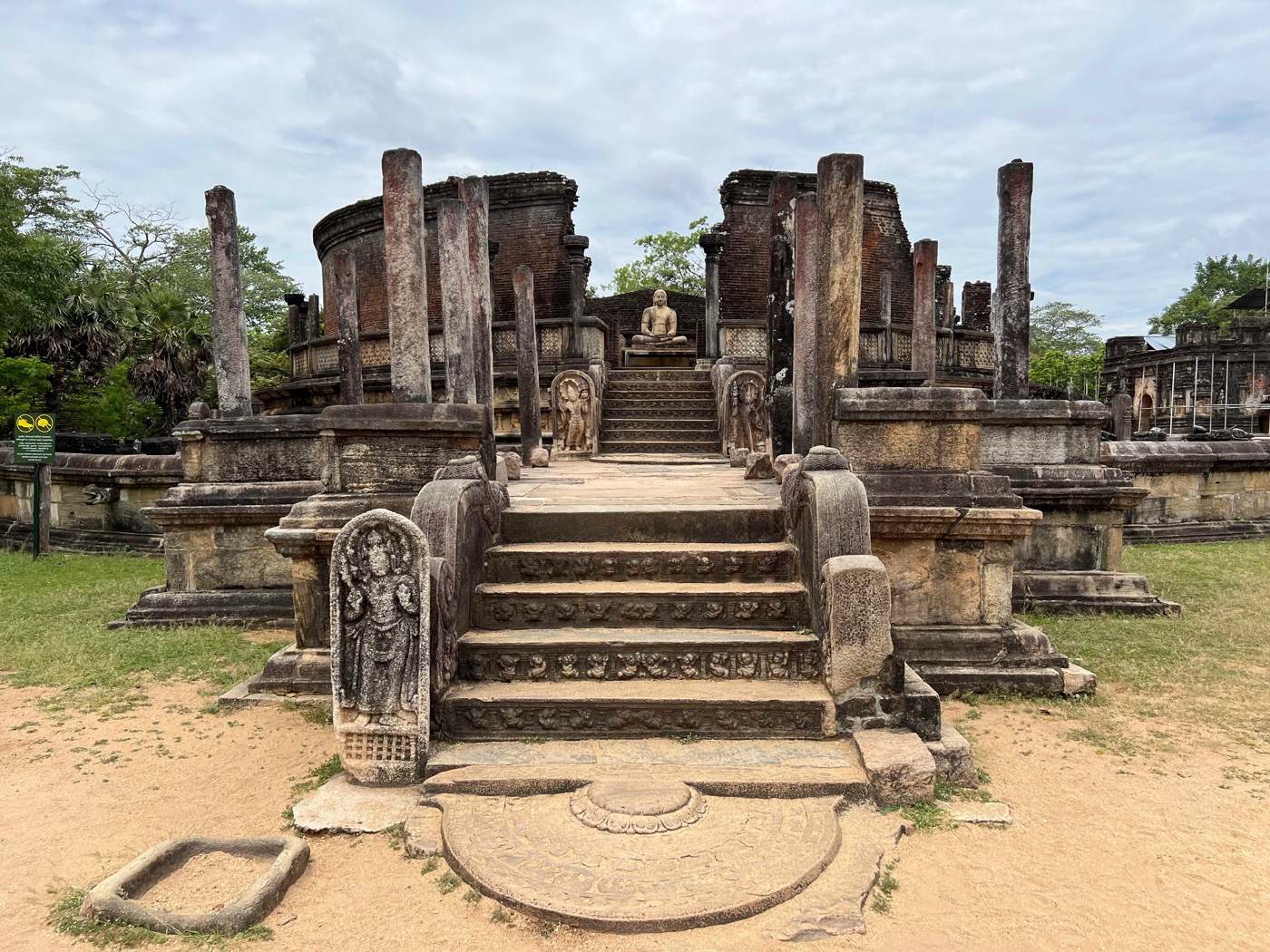
Polonnaruwa
A Journey Through Sri Lanka’s Medieval Kingdom
Why Visit Polonnaruwa?Polonnaruwa is one of Sri Lanka’s most remarkable historical destinations, where magnificent stone sculptures, ancient palaces, sacred temples and vast reservoirs reveal the achievements of a powerful medieval kingdom.Serving as Sri Lanka’s second major ancient capital after Anuradhapura, Polonnaruwa flourished particularly during the 11th to 13th centuries. Under rulers such as King Parakramabahu I, the city developed into an impressive centre of royal administration, Buddhist learning, architecture and irrigation engineering.Recognised as a UNESCO World Heritage Site in 1982, Polonnaruwa is an essential destination for travellers interested in Sri Lanka’s ancient civilisation, heritage and culture.Things to Do in PolonnaruwaExplore the UNESCO-listed Ancient City of PolonnaruwaAdmire the famous Buddha statues at Gal ViharaVisit the Polonnaruwa VatadageDiscover the ruins of the Royal Palace of King Parakramabahu IExplore the Quadrangle and its ancient religious structuresSee the monumental Rankoth Vehera StupaVisit Lankatilaka Image HouseDiscover Kiri Vehera and the Alahana Pirivena monastic complexPhotograph the Lotus PondLearn about ancient irrigation at Parakrama SamudraVisit the Archaeological MuseumEnjoy a countryside cycling tourCombine heritage sightseeing with an elephant safari in the wider regionExplore the Ancient City of PolonnaruwaThe Ancient City of Polonnaruwa is the main attraction and the highlight of any visit to the region. Its archaeological remains reveal the scale of a once-thriving capital, with royal buildings, religious monuments, monasteries and sophisticated urban planning.Unlike a single monument, the ancient city is spread across a large area. Travellers can move between the principal archaeological zones, discovering different aspects of medieval Sri Lankan architecture and religious life along the way.Recommended time: Approximately 4–6 hours for the principal sites, depending on your pace and interests.Travel tip: Start early in the morning to avoid the strongest heat. Bring water, wear comfortable footwear and plan your route before entering the archaeological area.How Long Should You Spend in Polonnaruwa?One night: Suitable for travellers who want to explore the main archaeological sites and continue to another Cultural Triangle destination.Two nights: Recommended if you want to explore the ancient city at a relaxed pace and include Parakrama Samudra or a nearby wildlife experience.Three nights: A good option for travellers with a strong interest in archaeology, cycling, photography and wildlife.For most visitors, one full day is enough to see many of the principal monumentsBest Time to Visit PolonnaruwaPolonnaruwa can be visited throughout the year, although hot weather and seasonal rainfall can affect outdoor sightseeing.January–April: Often hot, with generally favourable opportunities for sightseeing during drier periods.May–September: Can offer relatively drier conditions, but temperatures may be high.October–November: Intermonsoon rainfall may bring showers and changeable weather.December: Conditions vary, and occasional rain is possible.Entrance FeesThe Ancient City of Polonnaruwa has a designated archaeological admission system, while other activities in the surrounding region may have separate charges.Potential expenses include:Ancient City archaeological admissionArchaeological Museum admission, where applicableBicycle hireLocal guide servicesMinneriya or Kaudulla safari jeep hireWhere to StayStay in Polonnaruwa or nearby Habarana, Sigiriya area.How to Get to PolonnaruwaApproximate private-car journey times:Colombo → Polonnaruwa: 4.5–6 hoursBandaranaike International Airport → Polonnaruwa: 4.5–6 hoursNegombo → Polonnaruwa: 4.5–5.5 hoursSigiriya → Polonnaruwa: 1–1.5 hoursDambulla → Polonnaruwa: 1.5–2 hoursAnuradhapura → Polonnaruwa: 2–2.5 hoursKandy → Polonnaruwa: 3–4 hoursTrincomalee → Polonnaruwa: 2–2.5 hoursFrequently Asked QuestionsIs Polonnaruwa worth visiting?Yes. Polonnaruwa is one of Sri Lanka’s most important heritage destinations, with monumental stupas, ancient palaces, stone carvings and impressive examples of irrigation engineering.How many hours do I need to explore Polonnaruwa?Allow around 4–6 hours for the principal archaeological sites. History enthusiasts and photographers may prefer a longer visit.Should I explore Polonnaruwa by bicycle?Cycling is a good option for travellers who enjoy independent exploration and can manage the heat and distances. A private vehicle is more comfortable for families and visitors who prefer less physical activity.Can I visit Polonnaruwa and Sigiriya on the same day?You can travel between the two in the same day, but trying to explore both fully can be rushed. An overnight stay in the region is preferable if you want to enjoy the ancient city properly.Can I combine Polonnaruwa with an elephant safari?Yes. Minneriya and Kaudulla are possible wildlife excursions from the wider region. Choose the park based on current conditions and allow sufficient time for the safari.Is Polonnaruwa suitable for families?Yes. Families can explore the ancient city, but the heat, walking distances and cycling requirements should be considered when planning the day.What is the difference between Anuradhapura and Polonnaruwa?Both are ancient Sri Lankan capitals and UNESCO World Heritage Sites. Anuradhapura is especially associated with early Buddhist history and monumental stupas, while Polonnaruwa is known for its medieval royal complex, stone sculptures and well-preserved archaeological structures.
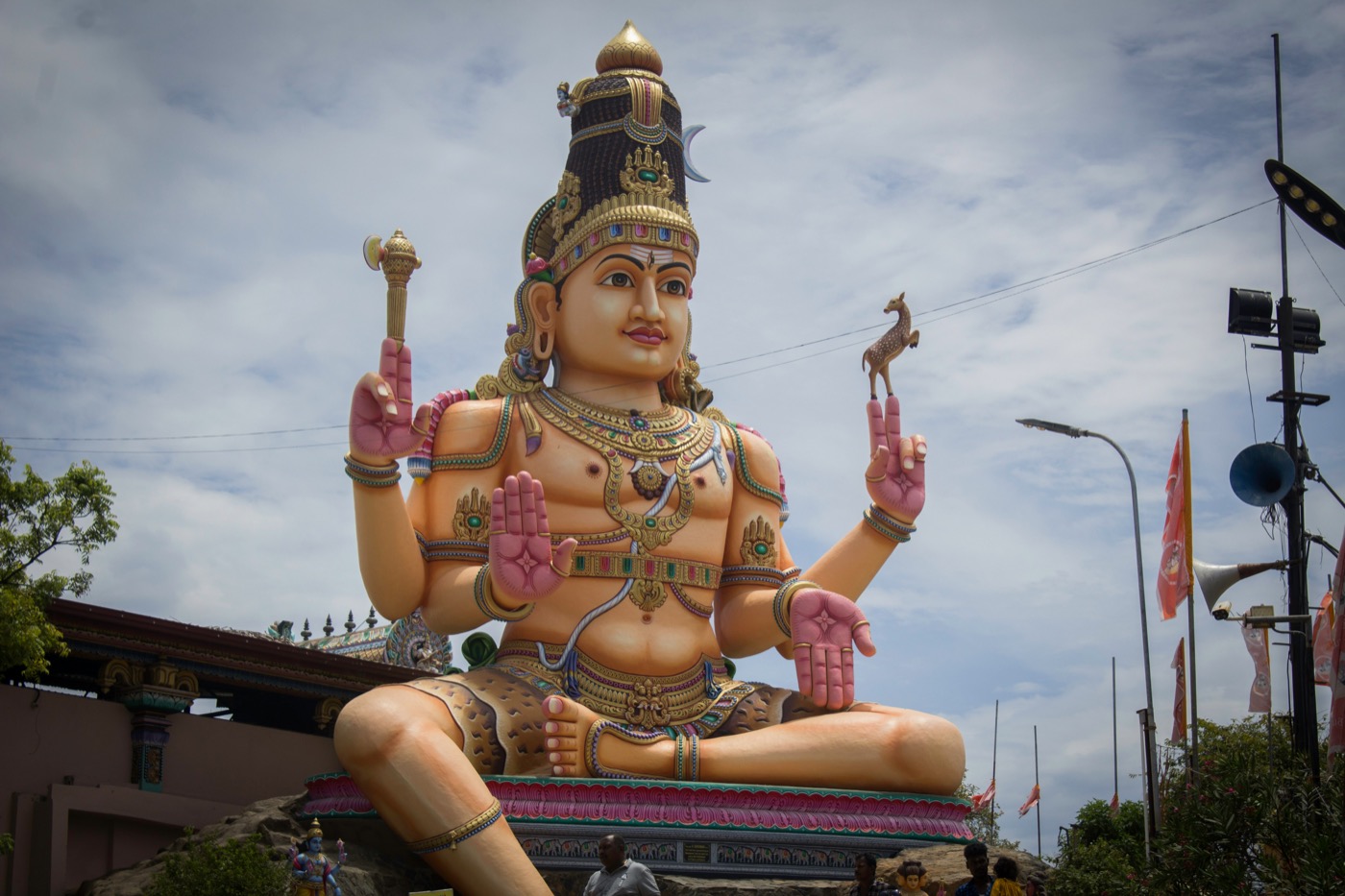
Trincomalee
Turquoise Waters & Sacred Coastal Heritage
Why Visit Trincomalee?Trincomalee is one of Sri Lanka’s most captivating east-coast destinations, combining beautiful beaches, a spectacular natural harbour, vibrant cultural heritage and exciting ocean adventures. Known locally as Trinco, this coastal city offers a different experience from the island’s popular southern beach towns, with a relaxed atmosphere and a distinctive blend of Tamil, Sinhalese and Muslim cultural influences.From the white sands of Nilaveli Beach to the colourful Koneswaram Temple overlooking the Indian Ocean, Trincomalee offers something for beach lovers, history enthusiasts, wildlife admirers and travellers seeking a quieter coastal escape.The destination is particularly popular for snorkelling at Pigeon Island National Park, scuba diving, seasonal whale watching and exploring its historic harbour. It also makes an excellent addition to a Sri Lanka itinerary combining the Cultural Triangle with the eastern coastline.Things to Do in TrincomaleeRelax on Nilaveli Beach and Uppuveli BeachTake a boat excursion to Pigeon Island National ParkGo snorkelling among coral reefs and tropical fishVisit the sacred Koneswaram TempleExplore historic Fort FrederickEnjoy panoramic ocean views from Swami RockDiscover the history of Trincomalee’s natural harbourVisit Kanniya Hot SpringsExplore nearby beaches and coastal viewpointsJoin a seasonal whale- or dolphin-watching excursion when availableDiscover local Tamil culture, temples and cuisineEnjoy fresh seafood and peaceful evenings beside the seaNilaveli BeachNilaveli is one of the best-known beaches on Sri Lanka’s eastern coast. Its long stretch of pale sand, tropical surroundings and inviting ocean views make it an excellent destination for travellers seeking a relaxed beach escape.Compared with some of the busier southern coastal towns, Nilaveli can offer a quieter atmosphere, particularly outside peak holiday periods. Visitors can enjoy beach walks, sunbathing, photography and swimming when conditions are safe. Nilaveli is also the main departure area for many excursions to Pigeon Island National Park.When Is the Best Time to visit Trincomalee?May–September: Generally the most favourable period for east-coast beach holidays, with opportunities for snorkelling and other marine activities when conditions permit.April: Can be a useful shoulder-season option, although conditions vary.October–January: The northeast monsoon can bring heavier rainfall, rougher seas and disruptions to water-based activities.February–March: Conditions can be more settled at times, but visitors should still check local forecasts.How Long Should You Spend in Trincomalee?One night: Suitable for a short stop to visit Koneswaram Temple and enjoy a brief beach visit, although the experience will be rushed.Two nights: A good option for visitors who want to explore the main cultural attractions and spend time at the beach.Three nights: Recommended for most travellers. This allows time for Pigeon Island, the historic city, a beach day and a more relaxed pace.Four nights or more: Ideal for travellers who want a slower coastal holiday, marine activities and excursions to nearby destinations.If Pigeon Island or whale watching is a priority, allowing extra flexibility can help accommodate changes in sea conditions.Best Time to Visit TrincomaleeTrincomalee is a year-round destination, but the weather and sea conditions vary considerably by season.May–September: Generally the most favourable period for east-coast beach holidays, with opportunities for snorkelling and other marine activities when conditions permit.April: Can be a useful shoulder-season option, although conditions vary.October–January: The northeast monsoon can bring heavier rainfall, rougher seas and disruptions to water-based activities.February–March: Conditions can be more settled at times, but visitors should still check local forecasts.Entrance FeesPotential expenses include:Pigeon Island National Park admissionBoat transfers to Pigeon IslandSnorkelling equipment hireScuba-diving tripsWhale- and dolphin-watching excursionsLocal guides and transportAdmission or donations at selected attractionsFood, drinks and beach activitiesPublic beaches generally do not require a standard general admission ticket, but organised activities and private facilities may have separate charges.Where to StayNilaveli is ideal for beaches and Pigeon Island access. Trincomalee town works better for culture and local life. For travellers seeking a premium experience, the wider Trincomalee and Nilaveli region offers resort-style properties and beachfront accommodation.How to Get to TrincomaleeApproximate private-car journey times:Colombo → Trincomalee: 5–7 hoursAirport → Trincomalee: 5–7 hoursNegombo → Trincomalee: 5–7 hoursKandy → Trincomalee: 3–4 hoursSigiriya → Trincomalee: 2–3 hoursPolonnaruwa → Trincomalee: 1.5–2.5 hoursAnuradhapura → Trincomalee: 2–2.5 hoursWhat to Pack for TrincomaleeLightweight tropical clothingSwimwear and a beach towelSunscreen, sunglasses and a hatComfortable sandals or walking shoesModest clothing for temple visitsA reusable water bottleA waterproof bag for boat excursionsInsect repellentMotion-sickness remedies if neededFrequently Asked QuestionsIs Trincomalee worth visiting?Yes. Trincomalee combines beautiful east-coast beaches, marine adventures, Hindu heritage and a historic harbour. It is particularly rewarding for travellers who want both relaxation and cultural exploration.How many days do I need in Trincomalee?Two to three nights is a good starting point. Allow additional time if you want a slower beach holiday or several marine excursions.Is Pigeon Island worth visiting?Yes, especially for travellers interested in snorkelling and marine life. Check sea conditions, current access rules and the total cost of boat transport, park admission and equipment before booking.Can I see whales in Trincomalee?Whale sightings are possible during the east-coast season, generally around May–September, but sightings depend on natural conditions and are never guaranteed.Is Trincomalee good for swimming?Swimming can be enjoyable when sea conditions are suitable. Conditions change seasonally, so check local safety advice and avoid rough water or strong currents.Is Trincomalee suitable for families?Yes. Families can enjoy beach time, cultural sightseeing and suitable guided excursions. Check water safety, boat-trip age requirements and the availability of family-friendly accommodation.Is Trincomalee better than the southern beaches?They offer different experiences. Trincomalee is especially attractive during the east-coast season, while the southern coast is generally more favourable during a different part of the year. Your best choice depends on travel dates, preferred activities and the route you plan to follow.
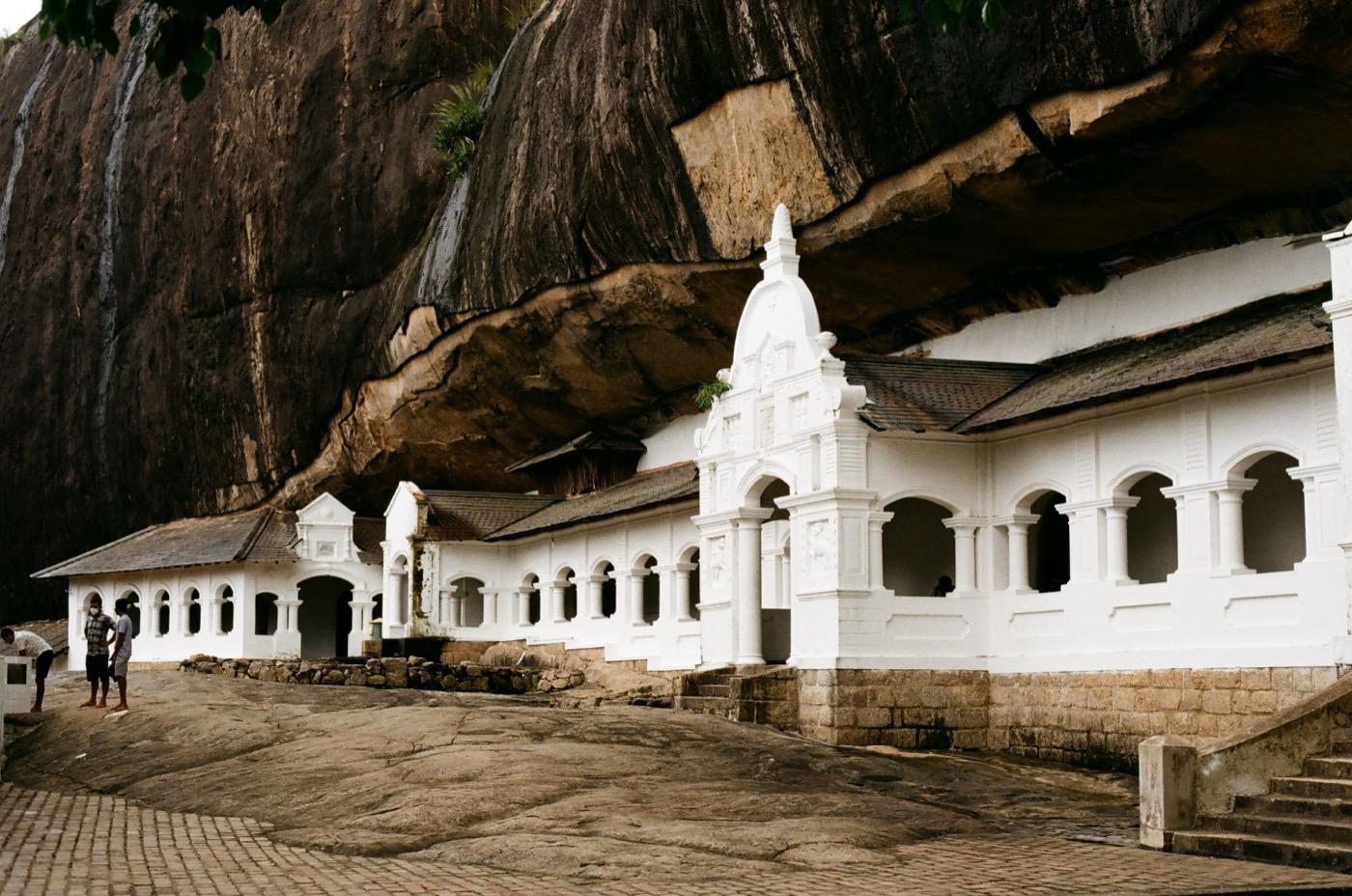
Dambulla
Sacred Caves Filled With Ancient Art
Why Visit Dambulla?Dambulla is one of Sri Lanka’s most rewarding destinations for travellers interested in ancient history, Buddhist heritage and the island’s traditional way of life. Located in the heart of the Cultural Triangle, this historic town is best known for its remarkable cave temple complex, where centuries-old religious art, colourful murals and Buddha statues fill natural rock shelters.Things to Do in DambullaExplore the UNESCO-listed Rangiri Dambulla Cave TempleVisit the Golden Temple at the base of the rockDiscover the ancient paintings and Buddha statues inside the cave shrinesClimb Pidurangala Rock for panoramic views towards SigiriyaVisit Sigiriya Rock Fortress on a nearby excursionExplore the Ibbankatuwa prehistoric burial siteRangiri Dambulla Cave TempleThe Rangiri Dambulla Cave Temple, also known as the Dambulla Royal Cave Temple or Golden Temple of Dambulla, is the destination’s most important attraction.Recognised as a UNESCO World Heritage Site in 1991, this sacred complex has been a centre of Buddhist pilgrimage for more than two millennia. The natural caves have been transformed into richly decorated shrines containing Buddhist statues and extensive murals.The temple complex features five principal cave shrines. Their painted ceilings, walls and sculptures represent an extraordinary tradition of Sri Lankan Buddhist art.Visitor TipsWear clothing that covers your shoulders and knees.Remove footwear and follow instructions at designated areas.Expect a climb involving steps and uneven surfaces.Carry water, especially on hot days.Visit early in the morning or later in the afternoon where possible.Follow photography restrictions and instructions from temple staff.How Long Should You Spend in Dambulla?A few hours: Suitable for a visit to the cave temple while travelling between destinations, although the climb and sightseeing should not be rushed.One night: A good option for travellers visiting the cave temple and continuing to Sigiriya or Polonnaruwa.Two nights: Recommended if you want to explore Dambulla, visit Sigiriya and enjoy a village experience or wildlife excursion.Three nights or more: Ideal for travellers who want to explore the wider Cultural Triangle at a relaxed pace, with additional time for Pidurangala, safaris and archaeological sites.Dambulla works particularly well as a base for visitors who prefer to avoid changing hotels every night.Best Time to Visit DambullaDambulla is a year-round destination, but temperatures and rainfall affect outdoor sightseeing.January–March: Often suitable for cultural sightseeing, although hot conditions are possible.April: Can be particularly hot, so plan climbs and outdoor activities carefully.May–September: Often a useful period for exploring the Cultural Triangle, though temperatures can be high.October–November: Intermonsoon rainfall can bring showers and changeable weather.December: Conditions vary, with opportunities for sightseeing between rainy periods.Entrance FeesThe cost of visiting Dambulla depends on the attraction, the activities you choose and whether you book a guided excursion. Dambulla cave temple entry fee is ~$10.Where to Stay in DambullaDambulla and Habarana are convenient bases for the Cultural Triangle.How to Get to DambullaApproximate private-car journey times:Colombo → Dambulla: 3.5–5 hoursAirport → Dambulla: 3.5–5 hoursNegombo → Dambulla: 3.5–4.5 hoursKandy → Dambulla: 2–3 hoursSigiriya → Dambulla: 30–45 minutesFrequently Asked QuestionsIs Dambulla worth visiting?Yes. The cave temple is one of Sri Lanka’s most important cultural attractions, and the town is an excellent base for exploring Sigiriya and other destinations in the Cultural Triangle.How long does it take to visit Dambulla Cave Temple?Allow approximately 1.5–2.5 hours for the climb and exploration, depending on your pace, the weather and visitor numbers.Is the Dambulla Cave Temple difficult to climb?The route involves steps and an uphill walk. Many visitors can complete it at a steady pace, but the heat and physical demands may be challenging for some people. Take breaks and assess your comfort level.Can I visit Dambulla and Sigiriya in one day?Yes, provided you start early and plan your time carefully. Both attractions involve walking or climbing, so allow sufficient time and consider the weather and your fitness level.Can I visit Pidurangala and Sigiriya on the same day?It is possible, but the two climbs can be tiring, especially in hot weather. Consider your fitness, timing and whether you want to include sunrise or sunset.
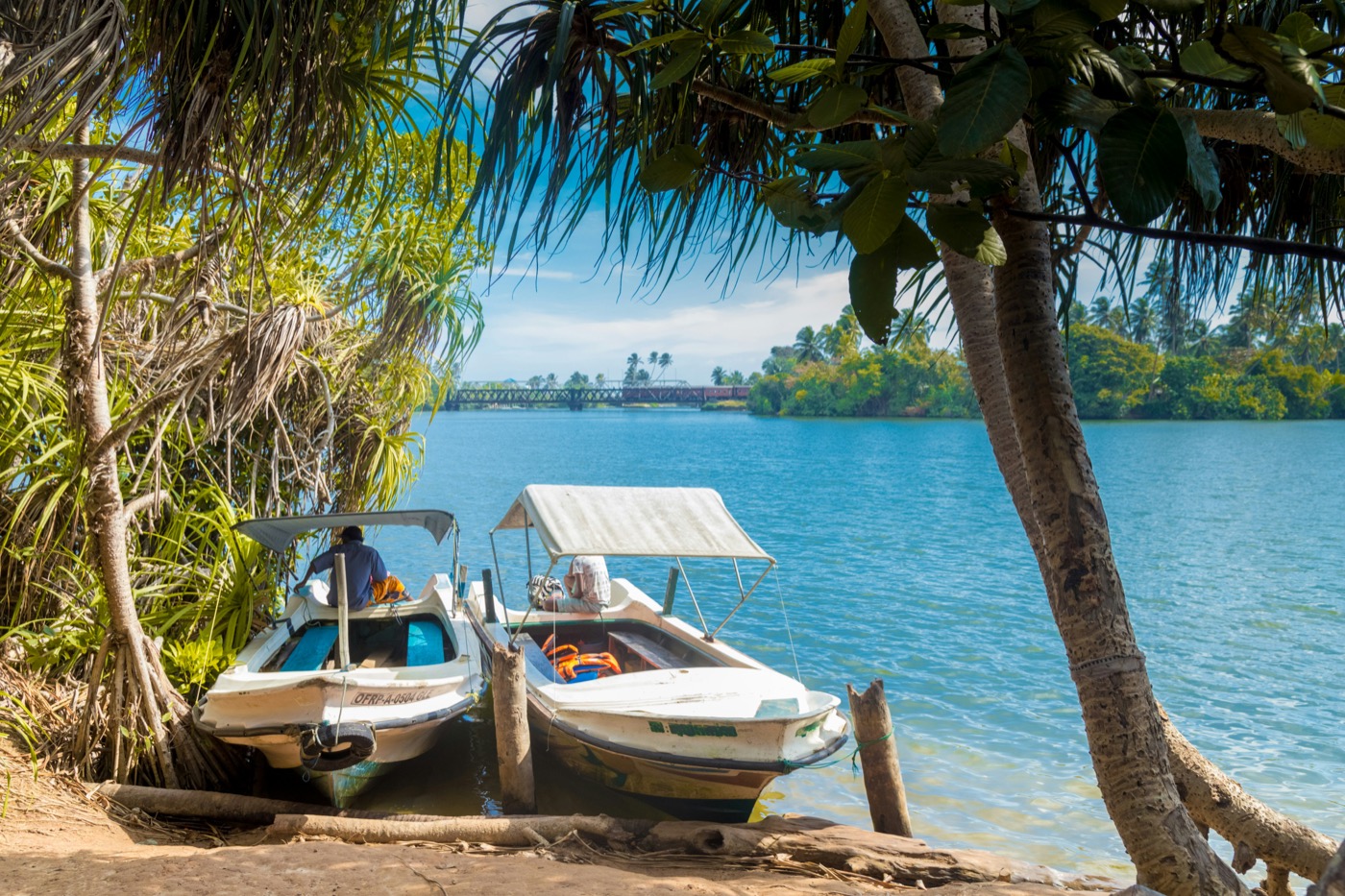
Bentota
Tropical Beaches & Riverside Escapes
Why Visit Bentota?Bentota is one of Sri Lanka’s best-known beach destinations, located along the island’s southwest coast where the Bentota River meets the Indian Ocean. Famous for its golden sandy beaches, water sports, riverside scenery and luxury resorts, Bentota offers a wonderful balance of relaxation and adventure.Unlike destinations focused mainly on surfing or nightlife, Bentota is well suited to travellers looking for comfortable beach holidays, romantic getaways, family activities and wellness experiences. Visitors can spend their mornings exploring mangrove-lined waterways, afternoons enjoying water sports or relaxing by the sea, and evenings watching the sunset over the coast.Beyond the beach, the surrounding region offers fascinating experiences, including Lunuganga, the former estate of renowned architect Geoffrey Bawa; Brief Garden, created by his brother Bevis Bawa; and sea turtle conservation projects around Kosgoda.Whether you are planning a short coastal stop or a relaxing beach holiday, Bentota is an excellent addition to a Sri Lanka itinerary.Things to Do in BentotaRelax on Bentota BeachEnjoy a boat safari along the Bentota RiverTry jet skiing, kayaking, windsurfing or other water sportsVisit Lunuganga, Geoffrey Bawa’s country estateExplore Brief Garden, created by Bevis BawaLearn about sea turtle conservation near KosgodaEnjoy a traditional Ayurvedic wellness treatmentTake a day trip to the Madu Ganga wetlands near BalapitiyaExplore nearby coastal villages and local marketsDiscover Sri Lankan cuisine and fresh seafoodEnjoy a sunset walk along the beachTake a day trip to Galle FortBentota BeachBentota Beach is the destination’s main attraction, offering a long stretch of sand bordered by tropical vegetation and coastal resorts.The beach is popular with couples, families and travellers seeking a comfortable seaside escape. Visitors can sunbathe, walk along the shore, enjoy ocean views or spend time at one of the area's beachfront properties.How Long Should You Spend in Bentota?One night: Suitable for a short beach stop, especially when travelling between Colombo and the southern coast.Two nights: A good choice for a beach day, a river safari and one additional excursion.Three nights: Recommended for travellers who want to enjoy the beach, try water sports, visit one or both Bawa gardens and explore nearby attractions.Four nights or more: Ideal for a slower resort holiday with wellness treatments, several excursions and plenty of time to relax.Bentota is particularly suitable for travellers who prefer to spend a few nights in one comfortable coastal base rather than move between hotels every day.Best Time to Visit BentotaBentota is on Sri Lanka’s southwest coast, where weather patterns differ from those of the east coast.November–April: Generally the more favourable period for beach holidays, with calmer conditions often occurring during part of this season.December–March: Often a popular period for swimming, resort stays and coastal activities.May–September: The southwest monsoon can bring heavier rain and rougher seas, although conditions vary and some excursions may still operate.October: Weather can be changeable as seasonal patterns transition.Sea conditions can change quickly. Even during the generally favourable season, check local swimming advice before entering the water.Entrance Fees & Activity CostsPotential expenses include:Water sports and equipment hireBentota River boat safarisMadu Ganga boat excursionsLunuganga admission or guided visitsBrief Garden admissionSea turtle conservation project visitsAyurvedic treatmentsWhere to Stay in BentotaChoose beachfront resorts for relaxation or smaller boutique properties for a quieter experience.How to Get to BentotaApproximate private-car journey times:Colombo → Bentota: 1.5–2 hoursBandaranaike International Airport → Bentota: 2–3 hoursNegombo → Bentota: 2–3 hoursGalle → Bentota: 1–1.5 hoursHikkaduwa → Bentota: 45–75 minutesKandy → Bentota: 3.5–5 hoursWhat to Wear & PackLightweight tropical clothingSwimwear and a beach towelSunscreen, sunglasses and a hatComfortable sandals or walking shoesInsect repellentA waterproof bag for boat excursionsResponsible Coastal TravelAvoid leaving rubbish on beaches or waterways.Do not touch or feed wild animals.Choose wildlife excursions that respect natural behaviour.Support responsible turtle conservation initiatives.Follow water-sports safety instructions.Frequently Asked QuestionsIs Bentota worth visiting?Yes. Bentota is an excellent destination for travellers seeking beaches, water sports, river safaris, wellness experiences and comfortable resort accommodation.Is Bentota suitable for families?Yes. Families can enjoy beach time, selected water sports and river excursions. Is Bentota good for water sports?Yes. The area offers a variety of water-based activities, including selected river sports and coastal excursions. Availability depends on weather, season and operator facilities.Can I visit Galle from Bentota?Yes. Galle Fort makes a popular day trip and can be combined with other stops along the southwest coast.Are turtle hatcheries ethical?Practices vary. Choose projects that prioritise conservation, minimise handling and protect nesting habitats. Avoid facilities that encourage unnecessary contact with turtles for entertainment.
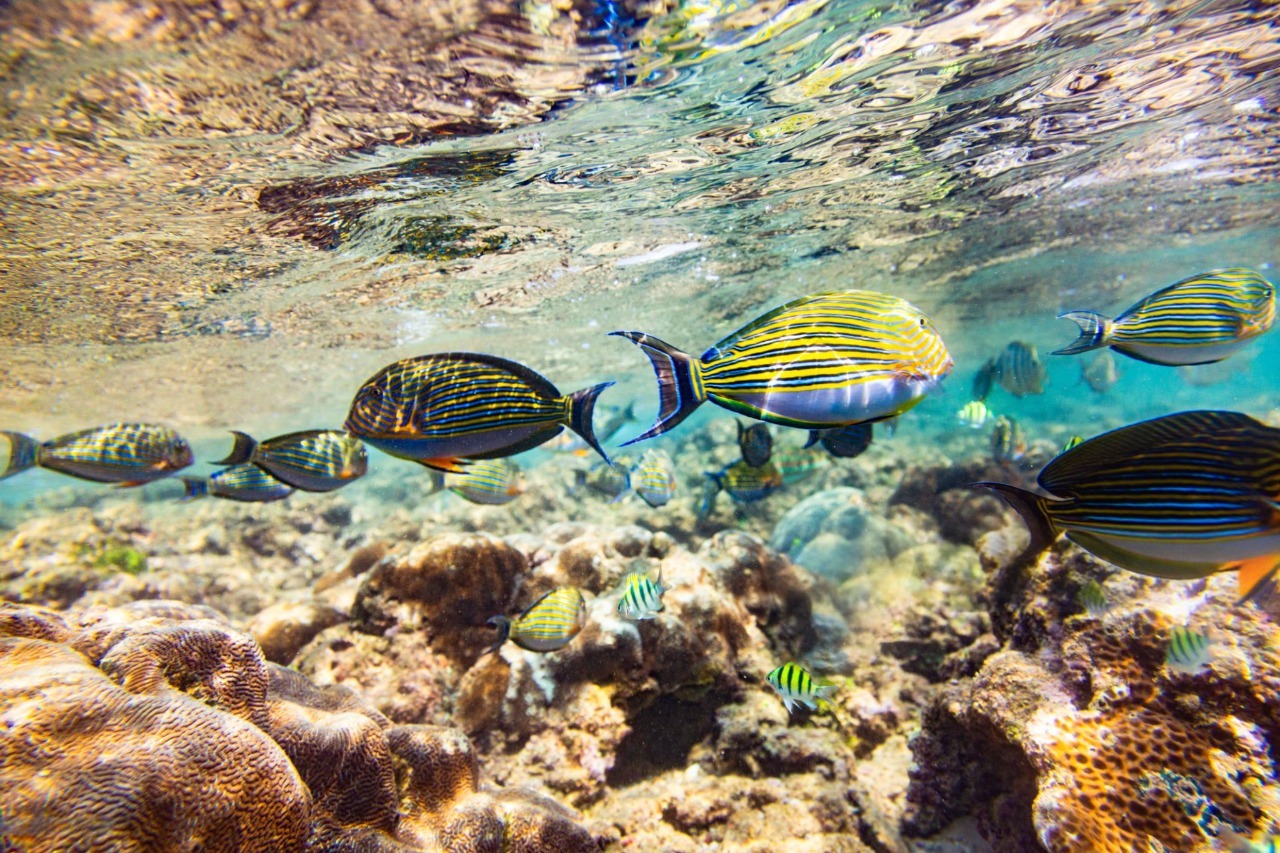
Hikkaduwa
Reef, Waves & Coastal Life
Why Visit Hikkaduwa?Hikkaduwa is one of Sri Lanka’s best-known southwest-coast beach destinations, offering a lively blend of tropical beaches, surfing, marine adventures and relaxed coastal living. Located in the Galle District, this seaside town has attracted travellers for decades with its long sandy shoreline, reef experiences, beachfront restaurants and welcoming atmosphere.The town is also known for its marine environment, including the protected Hikkaduwa National Park reef area. Responsible visitors can learn about the coastal ecosystem while enjoying the scenery without disturbing coral or wildlife.Things to Do in HikkaduwaRelax on Hikkaduwa BeachTry surfing at a suitable beach breakExplore the Hikkaduwa National Park reef areaGo snorkelling when sea conditions and visibility permitTake a glass-bottom boat trip with a responsible operatorArrange a guided scuba-diving experienceEnjoy fresh seafood and Sri Lankan cuisineVisit the Seenigama Vihara areaExplore nearby Ambalangoda’s traditional mask-making heritageTake a day trip to Galle FortHikkaduwa BeachHikkaduwa Beach is the heart of the town’s coastal experience. Its sandy shoreline, nearby accommodation and lively restaurant scene make it a popular choice for travellers seeking both relaxation and activities.The coastline includes different sections with different conditions. Some areas are associated with reef access and marine activities, while other stretches, including Narigama Beach, are particularly popular with surfers.How Long Should You Spend in Hikkaduwa?One night: Suitable for a brief beach stop, especially when travelling between Bentota and Galle.Two nights: A good option for beach time, one marine activity and a relaxed evening by the sea.Three nights: Recommended for travellers who want to combine surfing, reef experiences, local food and a day trip to Galle.Four nights or more: Ideal for visitors who want a slower coastal holiday, multiple surf sessions or diving excursions.Hikkaduwa works well as a base for exploring the southwest coast without changing accommodation every night.Best Time to Visit HikkaduwaHikkaduwa is on Sri Lanka’s southwest coast, where the seasonal weather differs from that of the east coast.November–April: Generally the more favourable period for beach holidays, surfing and many marine activities.December–March: Often a popular time for coastal stays and water activities.May–September: The southwest monsoon can bring heavier rain, stronger currents and reduced underwater visibility.October: Weather may be changeable as seasonal patterns transition.Entrance Fees & Activity CostsPossible expenses include:Hikkaduwa National Park or marine-area Snorkelling equipment hireGlass-bottom boat tripsSurf lessons and board hireScuba-diving experiencesGuided wreck dives for qualified diversWhere to Stay in HikkaduwaNear Hikkaduwa beach- Stay close to the beach for easy access to restaurants and activities.Boutique hotels- A good choice for couples and independent travellers looking for a smaller property with a relaxed atmosphere.How to Get to HikkaduwaApproximate private-car journey times:Colombo → Hikkaduwa: 1.5–2.5 hoursAirport → Hikkaduwa: 2.5–3.5 hoursNegombo → Hikkaduwa: 2.5–3.5 hoursBentota → Hikkaduwa: 45–60 minutesGalle → Hikkaduwa: 25–45 minutesUnawatuna → Hikkaduwa: 35–55 minutesMirissa → Hikkaduwa: 1–1.5 hoursFrequently Asked QuestionsIs Hikkaduwa worth visiting?Yes. Hikkaduwa is a great choice for travellers who want a mix of beach time, surfing, marine experiences, dining and easy access to Galle.Is Hikkaduwa good for surfing?Yes. Hikkaduwa is known for its surf breaks, with conditions varying by location and season. Beginners should take lessons and choose a suitable beach break.Can I see sea turtles in Hikkaduwa?Turtles are associated with the local coastal waters, but sightings are not guaranteed. Observe them from a respectful distance and never touch or feed them.Is Hikkaduwa suitable for families?Yes, depending on the activities chosen. Families should check sea conditions, surf levels and age requirements for boat trips or water sports.Is Hikkaduwa suitable for a quiet holiday?Some areas are lively, especially around popular beaches and restaurants. Travellers seeking a quieter stay should choose accommodation carefully and check its location before booking.
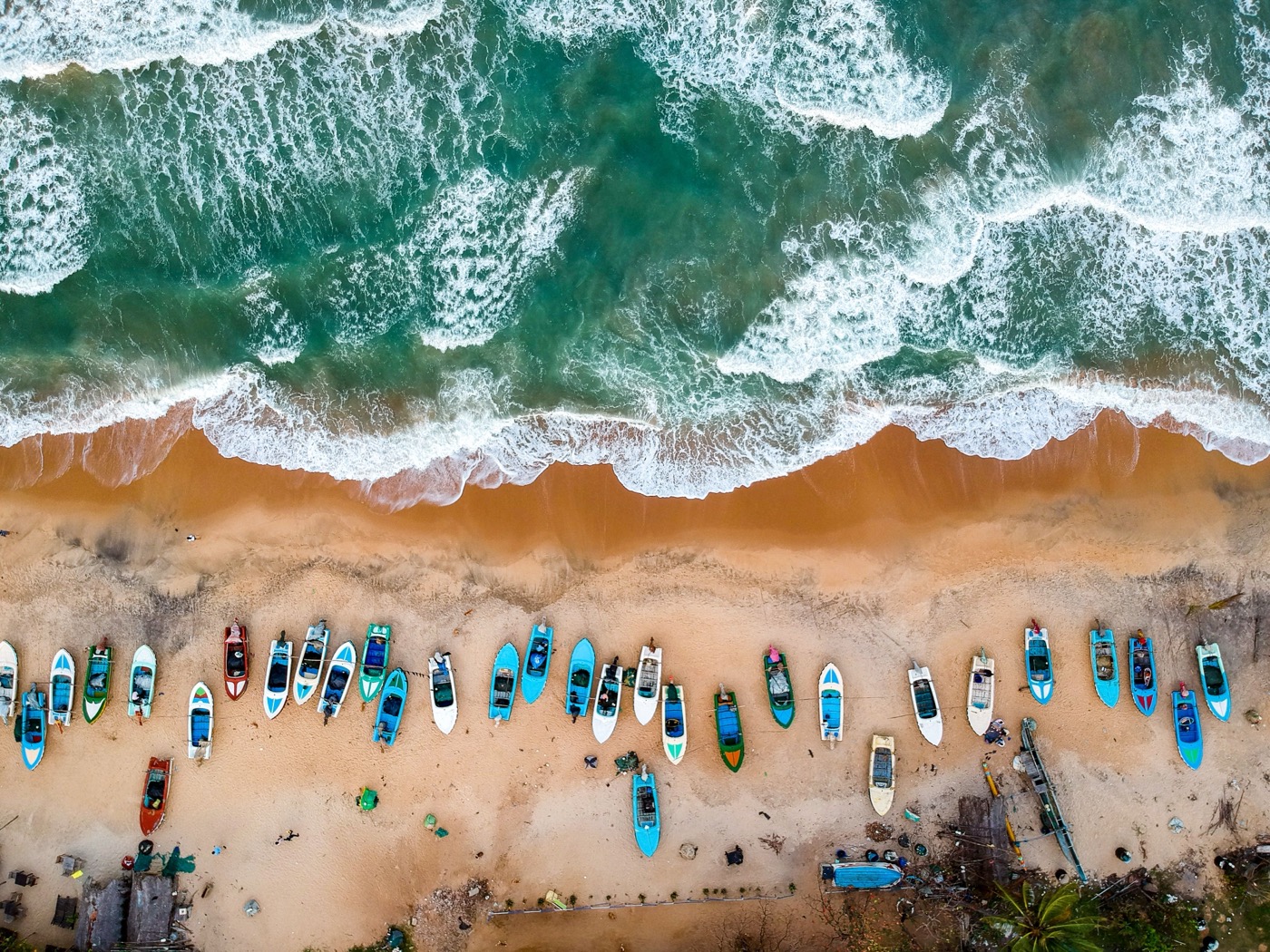
Arugam Bay
Sri Lanka's Surfing Paradise
Why Visit Arugam Bay?Arugam Bay is a relaxed coastal destination on Sri Lanka’s southeast coast, internationally known for its surfing, sandy beaches and laid-back atmosphere. It attracts surfers, backpackers, couples and independent travellers looking for a different side of Sri Lanka.But Arugam Bay is more than a surfing destination. Nearby lagoons, quiet beaches, historic temples and wildlife areas offer plenty to explore beyond the waves. Visitors can enjoy a sunrise surf session, take a boat trip through Pottuvil Lagoon, discover coastal villages or plan a wildlife excursion to Kumana National Park.Things to Do in Arugam BayLearn to surf with a local instructorSurf at Main Point and explore other nearby breaksRelax on Arugam Bay BeachTake a boat safari on Pottuvil LagoonVisit Elephant Rock for coastal viewsExplore Peanut Farm BeachDiscover the historic Muhudu Maha Viharaya templeEnjoy fresh seafood and Sri Lankan cuisineWatch the sunrise over the Indian OceanVisit Kumana National Park for birdlife and wildlifeEnjoy yoga, cafés and the relaxed surf-town atmosphereWhere to Stay in Arugam BayBeach front accommodations is convenient choice for visitors who want easy access to the beach, cafés and the main surf-town area.How Long Should You Stay in Arugam Bay?One night: Suitable for a brief coastal stop, but it offers limited time for surfing and nearby excursions.Two nights: A practical option for a surf lesson, beach time and a relaxed evening.Three nights: A good choice for surfing, a lagoon excursion and exploring nearby attractions.Four nights or more: Recommended for dedicated surfers, wildlife enthusiasts or travellers who want to explore the region at a slower pace.If you are travelling across Sri Lanka primarily for surfing, allow extra days so your plans can adapt to changing sea conditions.Best Time to Visit Arugam BayArugam Bay follows a different seasonal pattern from Sri Lanka’s southwest coast.April: The surf season begins, although conditions can be variable.May–June: Surfing and coastal activities generally become more reliable.July–September: Often the strongest part of the main surf season, with higher visitor numbers in popular periods.October: Conditions can become less predictable as the season changes.November–March: The northeast monsoon affects the east coast, and many tourism businesses may reduce operations or close temporarily.The exact season varies by year and by surf break. If surfing is your main reason for visiting, check current forecasts and local conditions before booking.Entrance Fees & Activity CostsThere is no general entrance ticket for the open town and main beach.Potential expenses include:Surf lessons and board rentalLagoon boat tripsPrivate transport to nearby beachesKumana National Park entry and safari arrangementsHow to Get to Arugam BayArugam Bay is on Sri Lanka’s southeast coast, and the journey can be long from the main international airport.Approximate private-car journey times:Colombo → Arugam Bay: Around 6–8 hours or longer, depending on route and trafficAirport → Arugam Bay: Allow approximately 7–9 hoursElla → Arugam Bay: Around 3–4 hoursIs Arugam Bay worth visiting?Yes, especially for surfers, nature lovers and travellers who enjoy a relaxed coastal atmosphere. Nearby lagoons, cultural sites and wildlife excursions add variety beyond the beach.Is Arugam Bay suitable for beginner surfers?Yes, when conditions are suitable and you learn with a qualified instructor. Ask a local surf school to recommend a break appropriate for your experience.Can non-surfers enjoy Arugam Bay?Yes. Non-surfers can enjoy the beach scenery, cafés, lagoon excursions, cultural sites and wildlife trips. It is worth planning activities in advance, particularly outside the main season.Is Arugam Bay open throughout the year?The town can be visited outside the main season, but some accommodation, restaurants and tourism services may close or operate on reduced schedules.
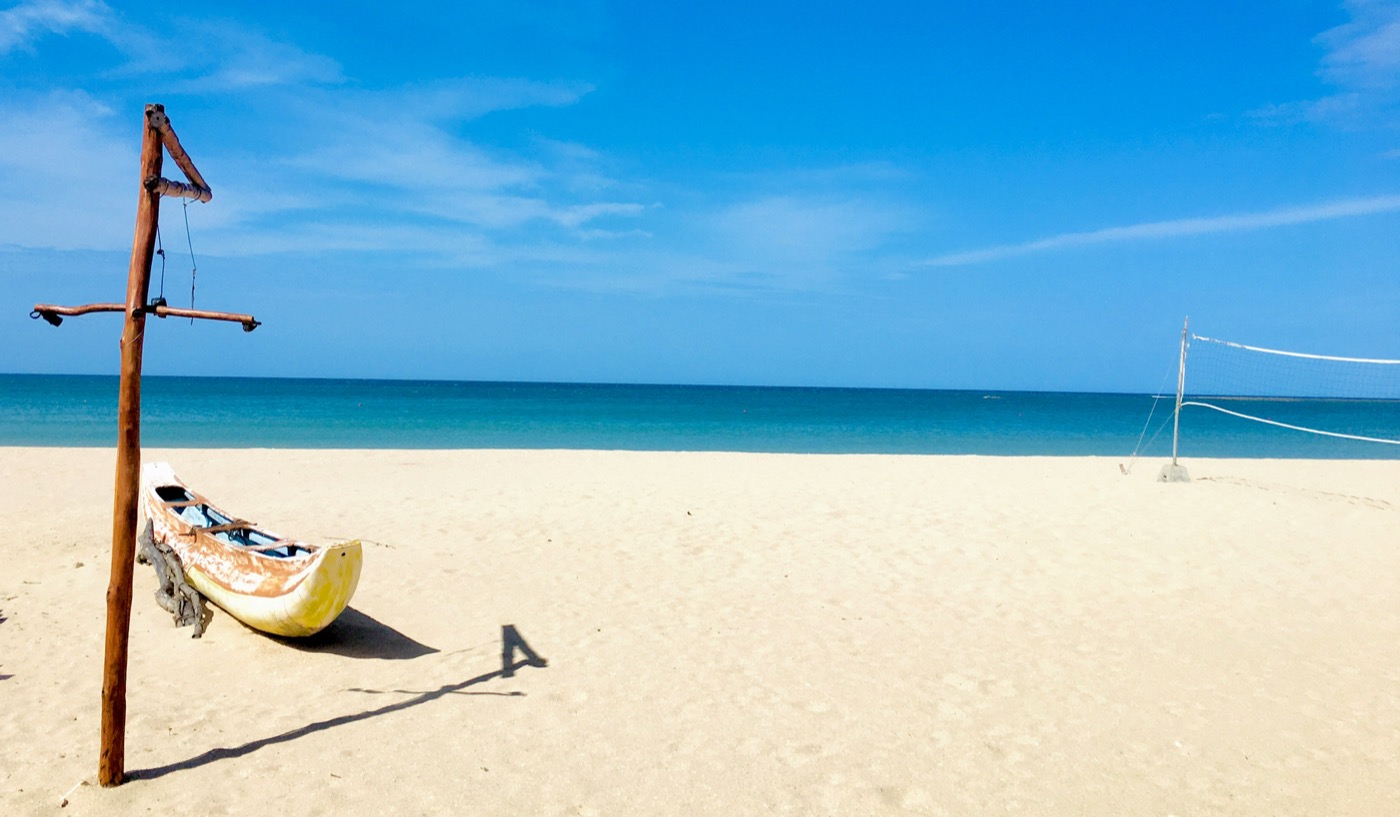
Pasikuda
Calm Turquoise Waters & Endless Beach
Why Visit Pasikuda?Pasikuda is a beautiful coastal destination on Sri Lanka’s eastern shoreline. It is best known for its broad sandy bay, clear turquoise water and unusually shallow coastal areas that make it popular with families, couples and travellers looking for a peaceful beach holiday.Unlike Arugam Bay, which is famous for surfing, Pasikuda is primarily a destination for swimming when conditions are suitable, relaxing beside the sea and enjoying resort-style accommodation. Its neighbouring beach, Kalkudah, offers a quieter and less developed coastal setting.Things to Do in PasikudaRelax on Pasikuda BeachEnjoy the shallow waters of the bayTake a leisurely walk along Kalkudah BeachExplore the coastal scenery and nearby villagesTry water-based activities offered by local operatorVisit Batticaloa FortExplore Batticaloa Lagoon and Kallady BridgeDiscover local food and eastern Sri Lankan cultureEnjoy a peaceful stay at a beachfront resortCombine a beach holiday with a cultural journey through eastern Sri LankaBest for: Families, couples, beach lovers and travellers seeking a slower-paced holiday.Kalkudah Beach: A Quieter Coastal EscapeKalkudah Beach is close to Pasikuda and offers a different atmosphere. While Pasikuda has a more established resort area, Kalkudah is known for its longer, more open shoreline and quieter surroundings.It is a lovely place for a morning or late-afternoon walk, coastal photography or simply enjoying the sound of the ocean away from the busier parts of the resort area.Where to Stay in PasikudaPasikuda has a selection of coastal accommodation, including full-service resorts and smaller properties. The best option depends on your budget, preferred level of comfort and the type of holiday you want.Beachfront Resorts- A popular choice for travellers who want easy access to the beach, swimming pools, restaurants and organised activities.Luxury Hotels- Suitable for couples, honeymooners and visitors seeking premium rooms, attentive service, spa facilities and a relaxing resort experience.Boutique Hotels- A good option for travellers who prefer a smaller property and a more personal atmosphere.GuesthousesGuesthouses- A practical choice for independent travellers who want to spend more of their budget on excursions and local experiences.Booking tip: Confirm whether your property is directly beside Pasikuda Beach or requires a short transfer. Also check restaurant availability, transport arrangements and seasonal operating dates before confirming your stay.How Long Should You Stay in Pasikuda?One night: Suitable for a brief coastal stop, although it leaves limited time to explore the surrounding region.Two nights: A good option for enjoying the beach, relaxing at your accommodation and visiting Kalkudah.Three nights: Recommended for a more relaxed stay with time for the beach, water activities and a Batticaloa excursion.Four nights or more: Ideal for travellers seeking a slower resort holiday or combining beach relaxation with further exploration of eastern Sri Lanka.For most first-time visitors, two or three nights is a comfortable starting point.Best Time to Visit PasikudaPasikuda lies on Sri Lanka’s east coast, which follows a different seasonal weather pattern from the southwest coast.April: A transition period when beach conditions can improve, although the weather may be variable.May–September: Generally the main period for east-coast beach holidays, with more favourable conditions often occurring during these months.June–August: Popular months for visitors seeking sunshine and relatively calm water, though conditions can still change.October–January: The northeast monsoon can bring heavier rain, stronger winds and rougher sea conditions.February–March: Conditions vary as the region moves towards the next east-coast beach season.These are general seasonal patterns rather than guarantees.Planning tip: Pasikuda is particularly useful for itineraries during the middle of the year, when parts of Sri Lanka’s southwest coast may experience wetter weather and rougher seas.Entrance Fees & Activity CostsPossible expenses include:Water sports and equipment hireSnorkelling excursionsBoat tripsPrivate transportBatticaloa sightseeing and guide servicesHow to Get to PasikudaPasikuda is on Sri Lanka’s east coast, north of Batticaloa. For international visitors arriving at Bandaranaike International Airport, it is usually best to plan the journey as part of a wider route rather than treating it as a short airport transfer.Approximate private-car journey times:Colombo → Pasikuda: Around 6–8 hoursBandaranaike International Airport → Pasikuda: Around 7–9 hoursPolonnaruwa → Pasikuda: Around 1.5–2.5 hoursTrincomalee → Pasikuda: Around 3–4.5 hoursFrequently Asked QuestionsIs Pasikuda worth visiting?Yes. Pasikuda is an excellent choice for travellers seeking a relaxing east-coast beach holiday, particularly those who enjoy calm-water activities, sandy beaches and resort accommodation.Is Pasikuda suitable for families with children?Yes, parts of the bay can be suitable for family beach time because the water is often shallow and sheltered.Is Pasikuda good for surfing?Pasikuda is better known for its shallow bay and relaxed swimming conditions than for surfing. Travellers planning a dedicated surf holiday may prefer destinations such as Arugam Bay during its main season.Can Pasikuda be combined with Polonnaruwa?Yes. Pasikuda can be combined with Polonnaruwa in a wider eastern or cultural itinerary. A private vehicle offers flexibility for the journey and sightseeing stops.Are there luxury hotels in Pasikuda?Yes. The area has beachfront resort properties as well as smaller and more affordable accommodation options.Is Pasikuda suitable outside the main season?It can still be visited, but rain, rougher seas and reduced tourism services may affect the experience.
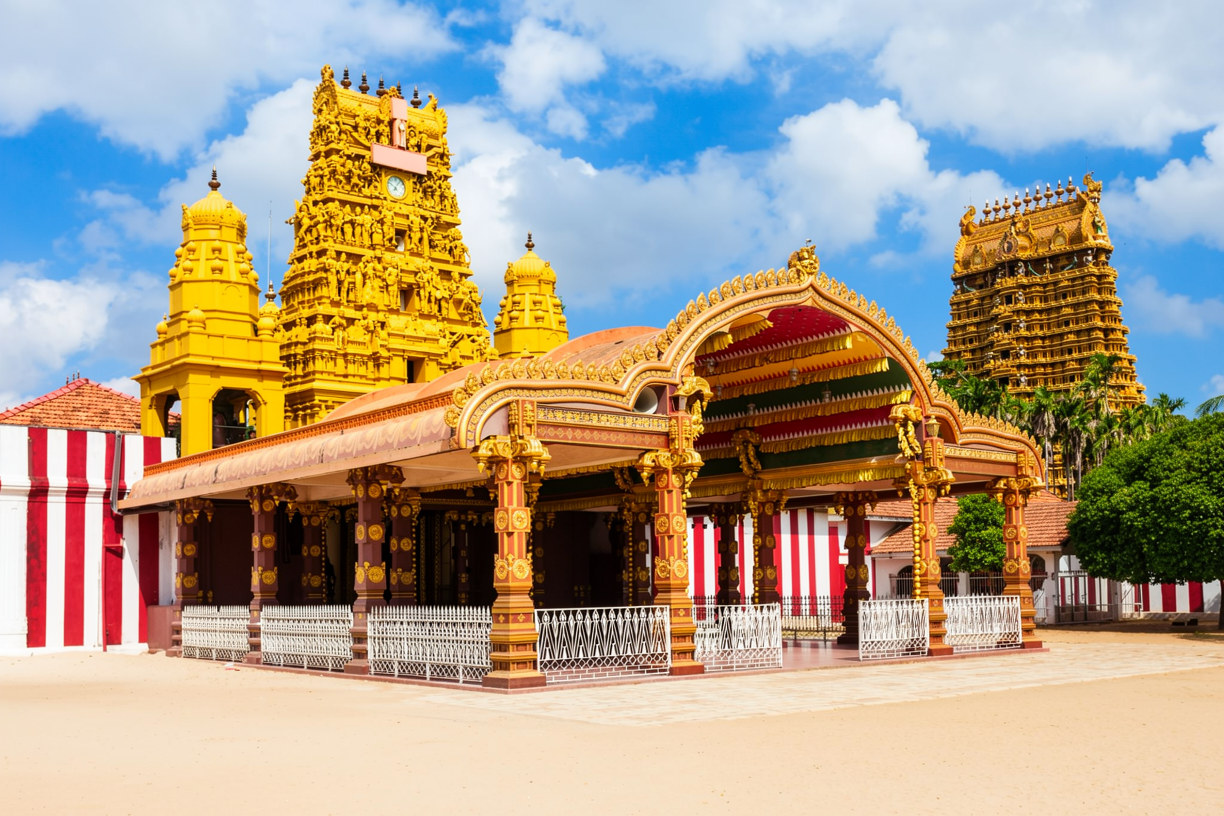
Jaffna
Discover Sri Lanka's Distinctive Northern Culture
Why Visit Jaffna?Jaffna is one of Sri Lanka’s most distinctive destinations, offering a cultural experience that feels different from the island’s familiar southern beaches and central highlands. Located at the northern tip of Sri Lanka, the Jaffna Peninsula is known for its vibrant Tamil culture, colourful Hindu temples, colonial-era landmarks, palmyrah palms, island landscapes and celebrated local cuisine.Things to Do in JaffnaVisit the colourful Nallur Kandaswamy KovilExplore the historic Jaffna FortLearn about the history of the Jaffna Public LibraryDiscover traditional Tamil food and palmyrah productsTake a day trip to Nainativu IslandExplore Delft Island and its unusual coastal landscapesRelax at Casuarina BeachVisit Keerimalai’s sacred springs and Naguleswaram TempleVisit Nilavarai WellExplore the remains of the historic Jaffna Kingdom around NallurVisit Point Pedro, the northernmost town of mainland Sri LankaBrowse local markets and experience everyday life in northern Sri LankaNallur Kandaswamy Kovil: A Sacred Hindu LandmarkNallur Kandaswamy Kovil is one of the most important Hindu temples in Sri Lanka and a defining landmark of Jaffna. Dedicated to Lord Murugan, the temple is recognised for its striking gopuram, colourful religious architecture and active devotional traditions.Where to Stay in JaffnaJaffna offers a range of accommodation, from city hotels to guesthouses and more comfortable boutique properties but options and services can be limited.How Long Should You Stay in Jaffna?One night: Suitable for a quick introduction to Jaffna town, but too short to explore the peninsula and islands properly.Two nights: Allows time for the main city landmarks, including Nallur Kandaswamy Kovil, Jaffna Fort and the Public Library.Three nights: A good option for city sightseeing plus one major excursion, such as Nainativu or the northern peninsula.Four nights: Recommended if you want to explore Jaffna town, visit Nainativu and include Delft Island or several coastal attractions.Five nights or more: Best for travellers who prefer a slower cultural journey and want to explore the peninsula in greater depth.For a first visit, three to four nights offers a useful balance between heritage, food, local life and excursions.Best Time to Visit JaffnaJanuary–March: A popular period for cultural sightseeing, with generally warm conditions.April–May: Hot weather can make midday sightseeing tiring, so plan outdoor activities early or later in the day.June–September: Often suitable for exploring the peninsula and planning island excursions, although heat and occasional rain remain possible.July–August: The Nallur Festival usually takes place during this period; confirm the annual dates before travelling.October–January: The northeast monsoon can bring rain and affect ferry or outdoor excursion plans.Entrance Fees & Activity CostsPossible costs include:Entry to Jaffna Fort or selected museumsFerry tickets to NainativuFerry and local transport arrangements for Delft IslandHow to Get to JaffnaJaffna is connected to the rest of Sri Lanka by road and rail. It is a rewarding destination, but the journey from the main international airport is long enough to require careful planning.Travelling by Private CarA private chauffeur-driven vehicle offers flexibility for sightseeing stops and exploring the peninsula. It is especially useful if you want to combine Jaffna with Anuradhapura, Wilpattu or other destinations.Approximate private-car journey times:Colombo → Jaffna: Around 7–9 hoursAirport → Jaffna: Around 8–10 hoursAnuradhapura → Jaffna: Around 3–4 hoursTrincomalee → Jaffna: Around 4–5 hoursThese are planning estimates, not guaranteed travel times.Responsible & Respectful Travel in JaffnaRespect Hindu, Buddhist, Christian and other religious traditions.Follow dress codes and photography restrictions at places of worship.Ask permission before photographing local residents.Approach the region’s recent history with sensitivity.Support local restaurants, guides, artisans and small businesses.Keep beaches, heritage sites and island environments free from rubbish.Follow ferry safety instructions and respect local transport arrangements.Avoid entering restricted areas or photographing military and security facilities where prohibited.Frequently Asked QuestionsIs Jaffna worth visiting?Yes. Jaffna offers a distinctive combination of Tamil culture, Hindu temples, colonial heritage, island excursions and regional cuisine. It is particularly rewarding for travellers who want to explore beyond Sri Lanka’s best-known tourist routes.What is Jaffna famous for?Jaffna is known for Nallur Kandaswamy Kovil, Jaffna Fort, its historic Public Library, distinctive Tamil cuisine, palmyrah products and the surrounding islands.Is Jaffna suitable for families?Yes. Families interested in culture, food and history can enjoy Jaffna, but hot weather and long excursions mean it is important to plan breaks, drinking water and suitable transport.Is Jaffna a beach destination?Jaffna has beaches, including Casuarina Beach, but its main appeal is cultural exploration, local cuisine and island experiences rather than a resort-style beach holiday.What food should I try in Jaffna?Consider Jaffna crab curry, mutton curry, odiyal kool, dosas, palmyrah products and seasonal mangoes.

Kalpitiya
Lagoons, Dolphins & Ocean Adventures
Why Visit Kalpitiya?Kalpitiya is a coastal destination on Sri Lanka’s northwestern peninsula, set between the Indian Ocean and Puttalam Lagoon. Compared with the island’s busier beach resorts, it offers a more laid-back atmosphere, with fishing villages, sandy shores, lagoon landscapes and opportunities to experience marine wildlife.Kalpitiya is best known for two experiences: dolphin watching and kitesurfing. During the calmer months, visitors head out to sea in search of spinner dolphins, sometimes seen in impressive groups. During the windy season, the lagoon attracts kite surfers from around the world, including beginners learning the sport.Things to Do in KalpitiyaGo on a dolphin-watching excursionLearn kitesurfing with a qualified instructorExplore Kalpitiya Lagoon by boat or kayakVisit the historic Kalpitiya Dutch FortArrange snorkelling or diving trips to Bar Reef Relax on quiet beaches along the peninsulaDiscover local fishing communitiesEnjoy sunrise and sunset photographyVisit nearby coastal villages and natural landscapesCombine your stay with a wildlife safari in Wilpattu National ParkExperience fresh seafood and Sri Lankan cuisineEnjoy a peaceful coastal stay away from crowded resort townsDolphin Watching in KalpitiyaDolphin watching is one of Kalpitiya’s signature experiences. The waters offshore support spinner dolphins, which may be seen travelling, feeding and leaping near the surface.Boat excursions typically depart early in the morning, when sea conditions may be more suitable. Sightings can be spectacular, but wild dolphins move freely, so no operator can guarantee that you will see them on a particular trip. The main dolphin-watching season is generally November to April, with calmer sea conditions.Where to Stay in KalpitiyaAccommodation ranges from simple guesthouses to boutique coastal lodges and specialist kite camps. Your ideal location depends on whether you prioritise marine excursions, kitesurfing or a quiet beach escape.How Long Should You Stay in Kalpitiya?One night: Suitable for a short stop, but limited if you want to take an early-morning boat excursion.Two nights: A practical option for dolphin watching or a lagoon activity, combined with a relaxed evening.Three nights: Recommended if you want to enjoy a marine excursion, explore the lagoon and visit the Dutch Fort or nearby beaches.Four nights or more: Best for kitesurfers taking lessons over several days or travellers combining Kalpitiya with a Wilpattu safari.January–March: Generally favourable for dolphin watching and other marine excursions, subject to sea conditions. Lighter kitesurfing winds may also occur.April: A transition period, with marine trips possible but weather and sea conditions varying.May–September: The main kitesurfing season, when stronger winds often attract riders to the lagoon.October: A transition period when weather and activity schedules can be less predictable.November–December: Dolphin-watching excursions generally resume as conditions improve, although rain and rough seas can still affect trips.These are general seasonal patterns, not guarantees. Always confirm current conditions.Entrance Fees & Activity CostsPossible expenses include:Dolphin-watching boat excursionsKitesurfing lessons and equipment rentalLagoon boat trips or kayakingSnorkelling and diving excursionsWilpattu National Park entry and safari arrangementsHow to Get to KalpitiyaKalpitiya lies north of Negombo and Colombo on Sri Lanka’s northwestern coast.Approximate private-car journey times:Colombo → Kalpitiya: Around 3.5–4.5 hoursAirport → Kalpitiya: Around 3–4 hours, depending on trafficNegombo → Kalpitiya: Around 2.5–3.5 hoursFrequently Asked QuestionsIs Kalpitiya worth visiting?Yes, especially for travellers interested in dolphin watching, kitesurfing, marine life and quiet coastal surroundings. It is less suited to visitors looking for a busy resort town with extensive nightlife.Is Kalpitiya suitable for families?It can be, particularly for families interested in nature and outdoor activities. Choose activities according to children's ages, swimming ability and safety requirements.Can beginners learn kitesurfing in Kalpitiya?Yes. Several specialist schools offer lessons. Choose a qualified instructor and confirm that safety equipment and rescue arrangements are provided.When is the best time for kitesurfing?The main season generally runs from May to October, when stronger winds often provide favourable conditions.

Colombo
Sri Lanka's Modern Capital by the Ocean
Why Visit Colombo?Colombo is Sri Lanka’s lively commercial capital, where historic temples, colonial-era buildings, colourful street markets, modern shopping malls, and Indian Ocean views come together. It is a city of contrasts: traditional neighbourhoods sit alongside contemporary skyscrapers, while the aromas of Sri Lankan street food fill the busy lanes of Pettah.Many travellers use Colombo as a starting or ending point for their Sri Lankan holiday, but the city deserves time of its own. From exploring Buddhist temples and local markets to enjoying a sunset at Galle Face Green, Colombo offers an engaging introduction to the island’s culture and everyday life.Whether you are interested in history, architecture, shopping, food, or urban experiences, Colombo is an excellent addition to a tailor-made Sri Lanka itinerary.Things to Do in ColomboVisit Gangaramaya templeWalk along Galle Face GreenExplore Pettah MarketDiscover the National Museum of ColomboSeema Malaka TempleBeira lakeVisit Independence Memorial HallViews from Lotus TowerExplore Colombo Fort & Dutch HospitalExperience Sri Lankan FoodWhere to Stay in ColomboColombo offers accommodation for different budgets and travel styles.Luxury hotels: Full-service properties with restaurants, pools, wellness facilities, and city or ocean views.Boutique hotels: Smaller properties with distinctive design and a more personal atmosphere.Mid-range hotels: Practical choices for couples, families, and short city stays.Guesthouses and budget accommodation: Options for travellers prioritising affordability and a convenient location.Best Time to Visit ColomboColombo has a tropical climate and can be visited throughout the year. Weather conditions vary, and rain can occur even during generally drier periods.Frequently Asked QuestionsIs Colombo worth visiting?Yes. Colombo offers a rewarding mix of cultural landmarks, colonial heritage, markets, local food, shopping, and oceanfront experiences. It is worth considering as more than just an airport stop.How many days should I spend in Colombo?One full day is enough for a selection of the main attractions. Two nights allow more time for museums, shopping, restaurants, and a relaxed pace.Is Colombo suitable for families?Yes. Families can enjoy the parks, temples, seafront, museums, shopping centres, and food experiences.Can Colombo be included in a tailor-made Sri Lanka tour?Absolutely. Colombo can be arranged at the beginning or end of a trip, or included as a city experience between other destinations.
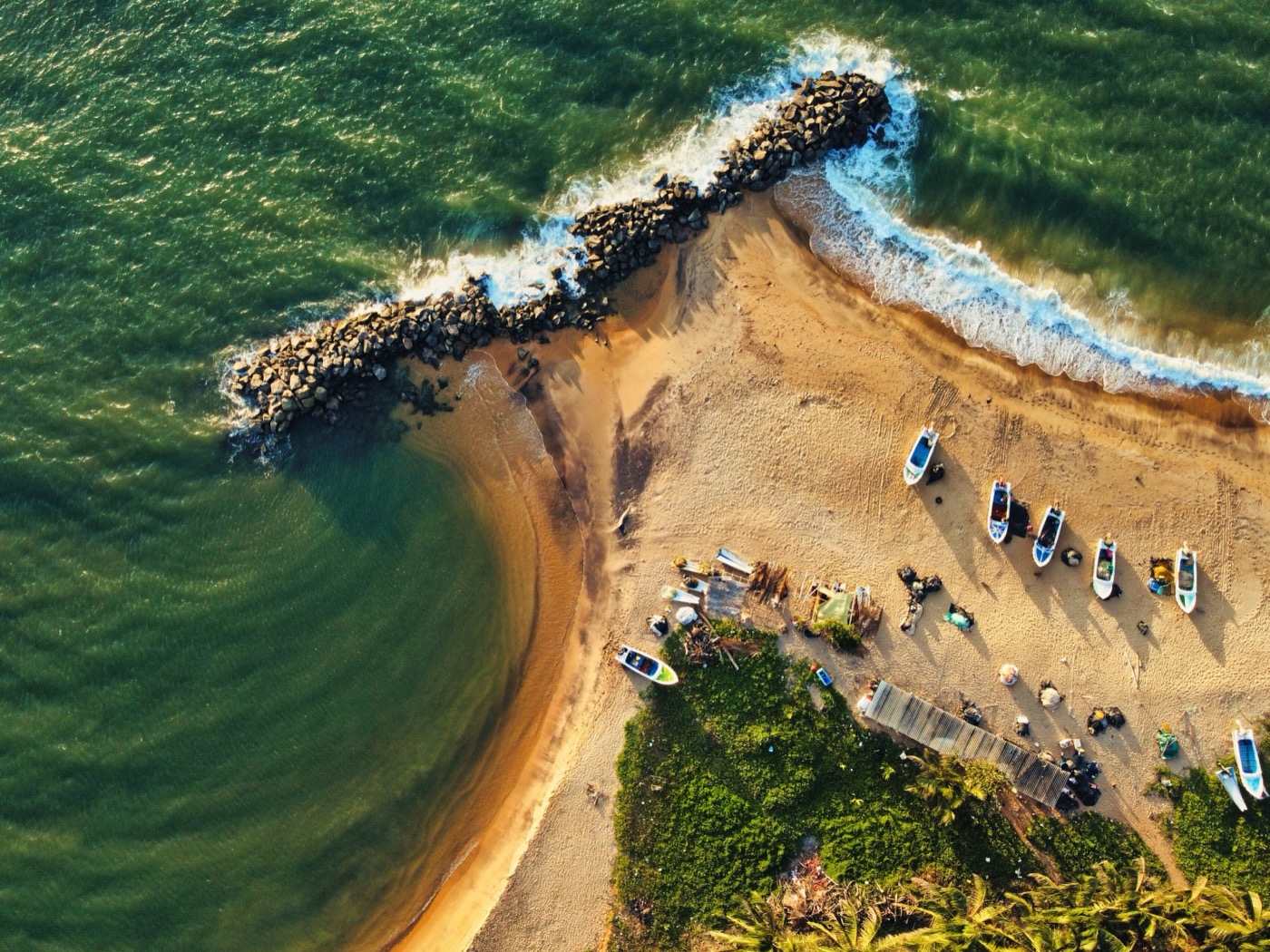
Negombo
Coastal Charm Just Minutes From the Airport
Why Visit Negombo?Negombo is a charming coastal town on Sri Lanka’s western coast, known for its sandy beaches, traditional fishing boats, fresh seafood, historic churches, and peaceful lagoon landscapes. Located close to Bandaranaike International Airport, Negombo is an ideal place to begin or end a Sri Lankan holiday.Beyond its convenient location, Negombo offers an authentic glimpse into coastal life. Watch fishermen bring in their daily catch, explore the historic Dutch Canal, discover the town’s Portuguese and Dutch heritage, or enjoy a sunset boat ride across Negombo Lagoon.Whether you are looking for a relaxing beach stay, cultural experiences, local food, or a gentle introduction to Sri Lanka after a long flight, Negombo is a destination worth exploring.Things to Do in NegomboRelax at Negombo BeachVisit Negombo Fish MarketExplore Negombo LagoonDiscover Historic Dutch CanalVisit St.Mary's ChurchExplore Negombo Dutch FortExperience Traditional Fishing BoatsExplore Muthurajawela WetlandsEnjoy Fresh Sea-food ExperienceWhere to Stay in NegomboNegombo offers accommodation for a range of budgets and travel preferences.Beach resorts: Ideal for travellers seeking pools, restaurants, spa facilities, and a relaxing coastal stay.Boutique hotels: Suitable for couples and visitors who prefer a smaller, more personalised propertyFor a short stop before or after a flight, consider the location of your accommodation in relation to the airport, your planned excursions, and your departure time.Best Time to Visit NegomboNegombo can be visited throughout the year, but weather conditions affect beach activities, boat trips, and outdoor sightseeing.December to April: Generally a favourable period for west-coast beach holidays and outdoor activities.May to September: The southwest monsoon can bring rougher seas and heavier rain, although sunny intervals are still possible.October and November: Conditions can be changeable, with inter-monsoonal showers and thunderstorms.Frequently Asked QuestionsIs Negombo worth visiting?Yes. Negombo offers more than convenient airport access. Its fishing culture, historic churches, canal, lagoon, seafood, and beach atmosphere make it a worthwhile introduction to Sri Lanka.Is Negombo close to the international airport?Yes. Negombo is located near Bandaranaike International Airport, making it a convenient destination for airport transfers.What is Negombo famous for?Negombo is known for its fishing industry, seafood, lagoon, beaches, historic canal, Catholic churches, and colonial heritage.Can I visit Negombo on my arrival day?Yes. If your flight arrives early enough and you are not too tired, you can enjoy a short city visit or beach walk. For late-night arrivals, a hotel transfer and rest may be the better option.
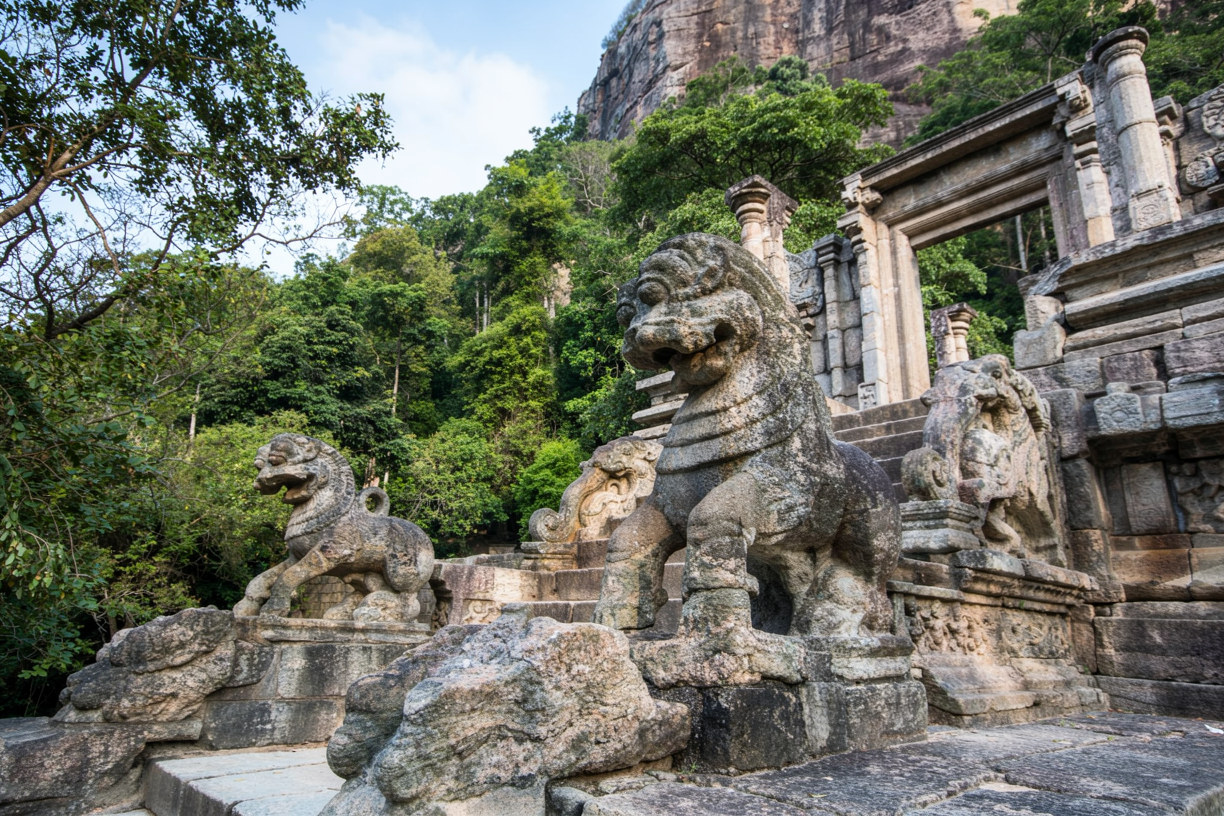
Yapahuwa
A Forgotten Kingdom
Why Visit Yapahuwa?Yapahuwa is one of Sri Lanka’s remarkable yet less-visited historical destinations. Located in the North Western Province, this dramatic granite rock fortress served as a royal capital during the 13th century. Its magnificent ornamental staircase, ancient defensive structures, and connection to the Sacred Tooth Relic make it a fascinating destination for travellers interested in Sri Lanka’s history and architecture.Rising above the surrounding countryside, Yapahuwa combines archaeological heritage with scenic views and a peaceful rural atmosphere. Unlike the more widely visited Sigiriya Rock Fortress, Yapahuwa can offer a quieter heritage experience, although visitor numbers and conditions vary.For travellers exploring Sri Lanka’s ancient kingdoms, Yapahuwa is an opportunity to discover a significant chapter of the island’s medieval history beyond the better-known cultural sites.Things to Do in YapahuwaExplore Yapahuwa Rock FortressDiscover the Yapahuwa LionsExplore the Ancient Defensive StructuresVisit Yapahuwa Rajamaha ViharayaEnjoy Country Side ViewsArcheological RemainsThe History of YapahuwaYapahuwa became a royal capital under King Bhuvanekabahu I in the late 13th century, during a period when Sri Lanka’s rulers faced continuing political challenges and threats from overseas invasions.Its natural rock formation provided a defensible location for a fortified royal complex. The Sacred Tooth Relic was also kept at Yapahuwa, reinforcing the site’s political and religious importance.Following the king’s death, invading Pandyan forces captured the fortress and took the relic away. Although the relic was later recovered, Yapahuwa did not continue as the island’s principal royal capital.Today, its surviving architecture offers valuable evidence of medieval Sri Lankan craftsmanship, military planning, and royal traditions.Yapahuwa vs. SigiriyaBoth destinations feature dramatic rock formations and important archaeological remains, but they offer different experiences.Yapahuwa: Best known for its ornate medieval staircase, 13th-century royal history, and detailed stone carvings.Sigiriya: Famous for its ancient palace complex, frescoes, landscaped gardens, and internationally recognised archaeological significance.Choose Yapahuwa if you are particularly interested in medieval history and ornamental sculpture. Choose Sigiriya for its celebrated archaeological landscape and extensive visitor experience. Travellers with sufficient time may enjoy visiting both.Best Time to Visit YapahuwaYapahuwa can be visited throughout the year.January to April: Often a good period for planning a heritage visit, with mornings generally preferable for climbing.May to September: Conditions can be hot, so begin early.October and November: Rainfall can make outdoor sightseeing less predictable and stone surfaces slippery.Frequently Asked QuestionsWhat is Yapahuwa famous for?Yapahuwa is famous for its 13th-century rock fortress, ornamental stone staircase, medieval royal history, and association with the Sacred Tooth Relic of the Buddha.Was Yapahuwa a capital of Sri Lanka?Yes. Yapahuwa served as a royal capital under King Bhuvanekabahu I during the late 13th century.How long does it take to visit Yapahuwa?Allow around 2–3 hours for a typical visit. You may need more time if you climb to higher sections, explore slowly, or visit with a guide.Is climbing Yapahuwa difficult?The steep ornamental staircase and upper paths require care and a reasonable level of mobility. Visitors who are uncomfortable with heights, have mobility difficulties, or are travelling in hot weather should assess the climb before proceeding.Is Yapahuwa suitable for children?Older children who can manage uneven steps and follow safety instructions may enjoy the historical and architectural features. Supervise children closely, particularly around steep stairs and elevated areas.Can I visit Yapahuwa and Sigiriya on the same trip?Yes, depending on your starting point and onward itinerary. The best arrangement depends on road travel time, how long you want to spend at each site, and whether you plan to climb both rock formations.Is Yapahuwa a UNESCO World Heritage Site?Yapahuwa is an important archaeological heritage site in Sri Lanka, but it is not one of the island’s UNESCO World Heritage Sites. Do not confuse it with the UNESCO-listed Ancient City of Sigiriya.Can Yapahuwa be included in a tailor-made Sri Lanka tour?Yes. Yapahuwa can be added to a cultural or heritage itinerary, especially for travellers interested in lesser-visited archaeological sites and the history of Sri Lanka’s medieval kingdoms.
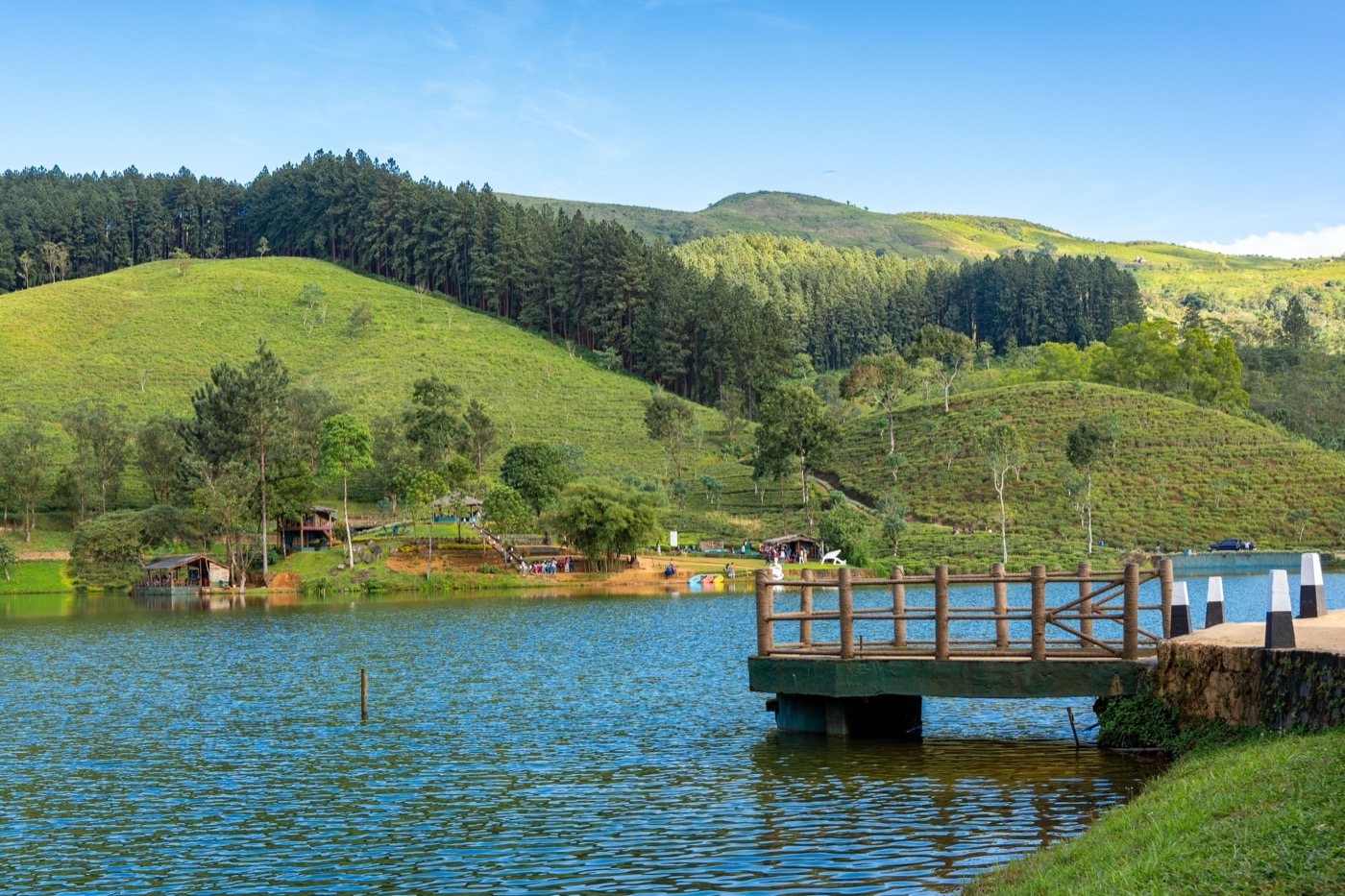
Matale
Spice Gardens & Cultural Traditions
Why Visit Matale?Matale is a captivating destination in Sri Lanka’s Central Province, where centuries of history meet lush countryside, spice gardens, ancient temples, and dramatic mountain scenery. Situated between Kandy and the Cultural Triangle, Matale is often passed by travellers on their way to Dambulla or Sigiriya, yet the region offers plenty of reasons to slow down and explore.Discover the historic Aluvihare Rock Temple, admire the colourful architecture of Sri Muthumariamman Temple, experience the aromas of cinnamon and cardamom at a spice garden, or venture towards the mist-covered landscapes of Riverston and the Knuckles Mountain Range.From cultural landmarks and rural traditions to waterfalls, tea-covered hills, and scenic viewpoints, Matale is an excellent destination for travellers seeking a more varied and authentic Sri Lankan experience.Things to Do in MataleVisit Aluvihare Rock TempleDiscover Sri Muthumariamman TempleExperience a Sri Lankan Spice GardenMountain Landscapes of RiverstonMini World's EndRelax at Sembuwatta LakeDiscover Nalanda GedigeVisit Sera Ella WaterfallBest Time to Visit MataleMatale includes lowland areas and cooler, higher-elevation landscapes, so conditions vary across the district.January to March: Often a comfortable period for combining temple visits, sightseeing, and outdoor excursions.April to September: Suitable for many itineraries, although temperatures, rainfall, and trail conditions vary by location.October to November: Rain and thunderstorms can affect hiking, road access, and waterfall visits.Mountain weather can change quickly even during generally favourable periods. Is Matale worth visiting?Yes. Matale is an excellent choice for travellers interested in Sri Lankan culture, religious heritage, agriculture, mountain scenery, and lesser-visited attractions between Kandy and the Cultural Triangle.How many days should I spend in Matale?Half a day is suitable for the main town attractions and a spice garden.What is special about Aluvihare Rock Temple?The temple is an important Buddhist heritage site traditionally associated with the writing down of the Pali Canon on palm leaves during the first century BCE.Is Matale suitable for families?Yes. Temple visits, spice gardens, local food, and scenic drives can suit families. More challenging hikes and exposed viewpoints require extra care and should be chosen according to the abilities of the group.Can Matale be combined with Kandy and Dambulla?Absolutely. Matale is well placed for a cultural itinerary linking Kandy with Dambulla and Sigiriya. Travellers with additional time can extend the journey into the Knuckles region.